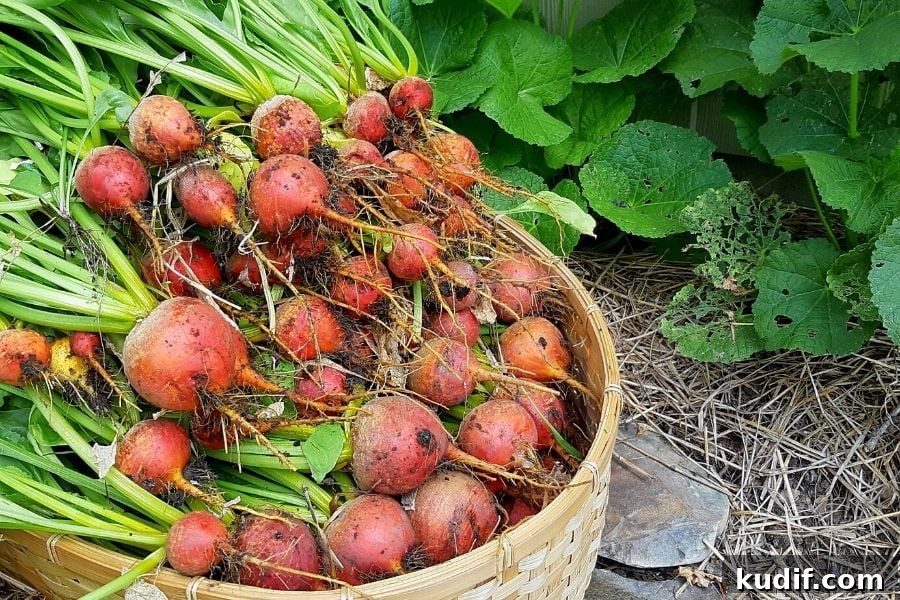
Have you ever felt overwhelmed by the workload that arrives with autumn? It often seems like everything happens at once, and you can quickly get lost in the rush. Here are six practical habits that can help you manage the busy harvest season in a traditional homemaker’s life.
6 Practices That Will Help You Through Harvest Season
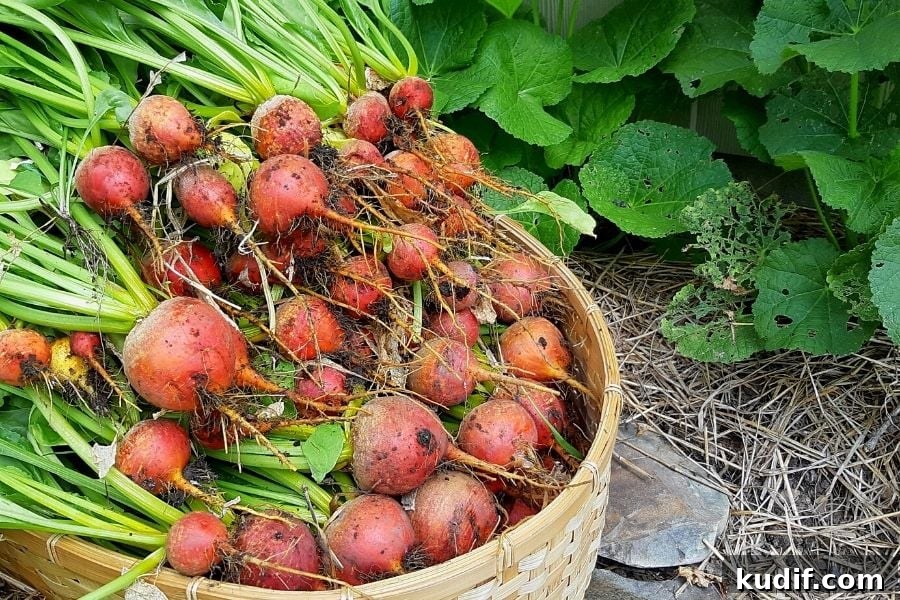
The garden becomes a bounty of rapidly ripening produce. Tomatoes and fruit demand harvesting and processing. The canner seems to run constantly, the dehydrator hums in the background, and you juggle harvesting, preserving, cooking, housekeeping and all the other daily tasks.
Even someone raised helping their mother or grandmother put food by can find it different—and more intense—when they are the one fully responsible for the entire process.
I don’t do this perfectly, but the following six practices are ones I try to use on busy preserving days. They make a real difference.
Practice 1: Set Your Priorities
Before you dive into a morning of harvesting and preserving, spend two to three minutes listing your priorities. What must be done today? Are there appointments or urgent household chores? What will you serve for meals, and do any components need advance prep?
Clarifying priorities at the start of the day helps you focus, reduce stress, and avoid getting overwhelmed by every small task that crops up.
Practice 2: Make the Work Enjoyable
It’s easy to become emotionally worn out when faced with a large pile of produce to process. When that happens, change the focus: put on music, play an audiobook or podcast, have a child read aloud, or listen to something inspiring. The work becomes lighter when your mind has something pleasant to attend to.
Listening to talks, stories, or music keeps the rhythm of the work steady and turns repetition into something satisfying rather than tedious.
Practice 3: Take Moments of Rest
Short breaks to eat, sit down, and breathe will boost your stamina and productivity. If you’re naturally all-or-nothing, build reminders into your day to pause. A comfortable chair in the kitchen makes it easy to sit for a few minutes between batches and recharge.
Practice 4: Ask for Outside Help
Historically, food preservation was often a communal activity. Working with friends, family, or neighbors speeds the process, lightens the workload, and makes the day more enjoyable. Don’t hesitate to invite help—offer a share of the finished product in return. Doing it yourself can be meaningful, but you don’t have to do it alone.
Practice 5: Stop to Notice the Beauty
Instead of rushing through the tasks, pause occasionally to appreciate the beauty around you. In the garden, breathe the fresh air, listen to the birds, and notice the shapes and colors of the produce. In the kitchen, take a moment to admire the texture of a peach or the pattern on a pit.
At the end of the day, take time to appreciate the work of your hands. Allow a sense of satisfaction to settle in—you’ve accomplished something worthwhile.
Practice 6: Prioritize Good Sleep
Sleep is essential during intensive work periods. Some people rise early or stay up late to find quiet time for preserving, but prolonged sleep deprivation reduces efficiency and well-being. When you’re working extra hard, you need more rest. Prioritize bedtimes and tuck yourself in early when possible so you have the energy for the next day.
In Conclusion
Preserving homegrown food is one of the most rewarding tasks in homemaking. Use these practices to make the work more manageable and more enjoyable. Take time to recognize what you’ve achieved and to care for yourself in the process.
Do you have tips that work well for you during harvest season? Share your ideas so others can benefit from them—and make the season a little easier and more joyful for everyone.