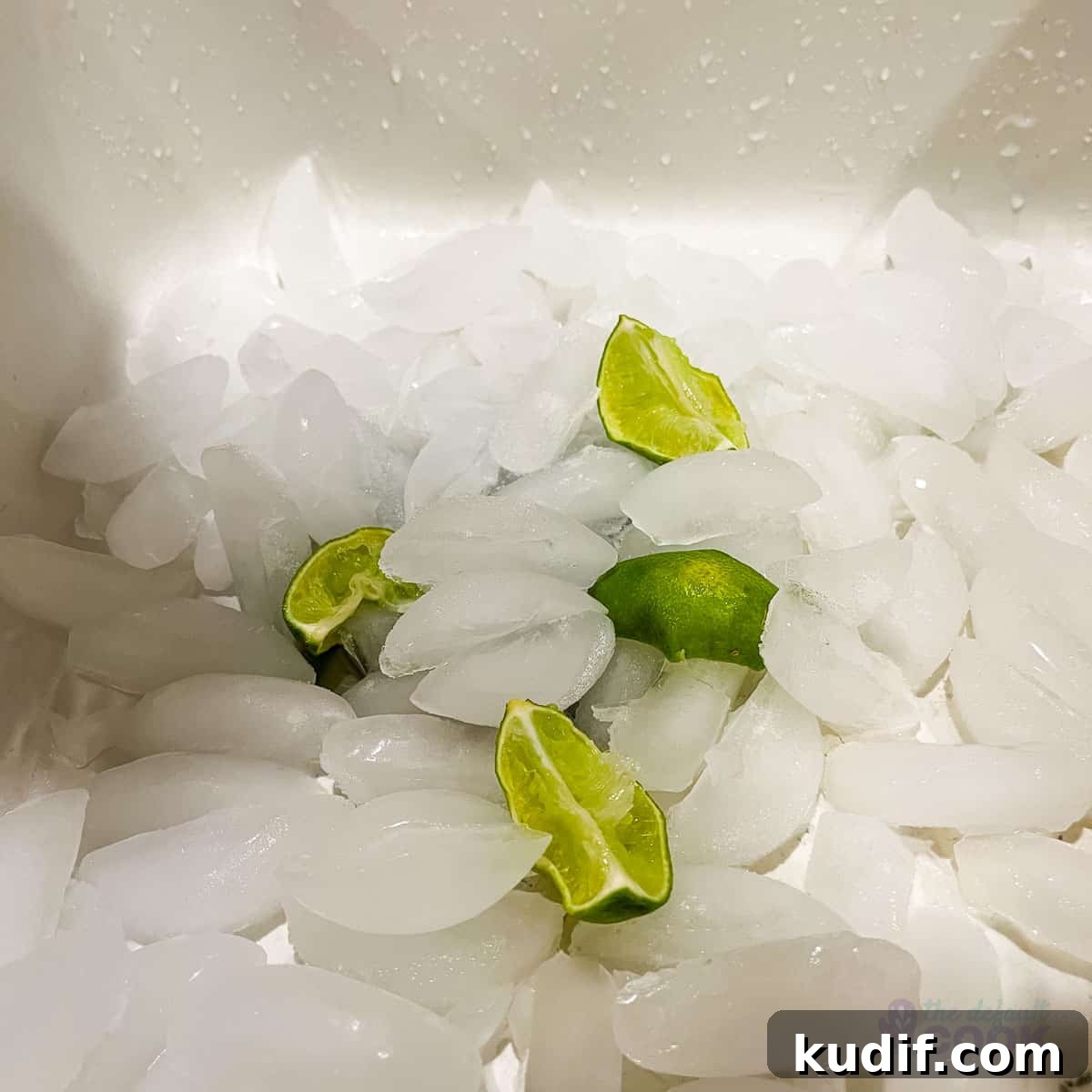
Wondering whether it’s safe to toss citrus peels down your garbage disposal? This guide explains the benefits and drawbacks, common problems to watch for, and safer alternatives so you can make a smart decision for your kitchen.
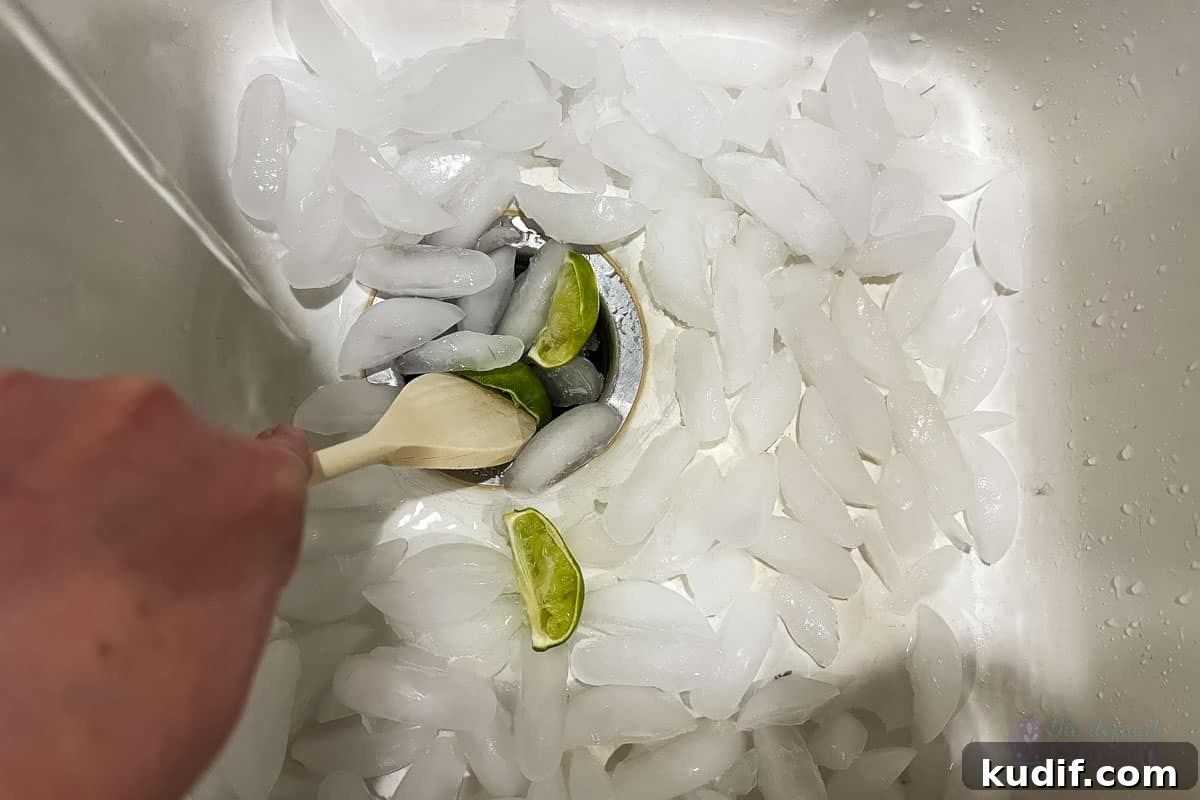
Short answer: In moderation, small pieces of orange, lemon, or lime peel are generally fine for a garbage disposal. Avoid overloading the unit, and run cold water while grinding. Adding a few ice cubes can help knock debris free from the grinding chamber and blades.
Garbage disposals make kitchen cleanup quicker, but not everything belongs in them. Can lemon or orange peels freshen or clean your disposal? Are they likely to cause clogs or damage? Below you’ll find practical advice on using citrus peels safely, other foods to keep out of the disposal, and simple cleaning methods to keep your unit performing well.
Benefits of Putting Citrus Peels in the Disposal
Citrus peels offer a few practical advantages when used sparingly:
- Natural deodorizer: Citrus oils help mask and reduce foul smells, leaving a light, fresh scent.
- Mild cleaning action: The natural acidity and abrasive bits of peel can help break up light residue on blades and inside the chamber.
- Pleasant aroma: Grinding peels releases essential oils that can make the kitchen smell clean and citrusy for a while.
Potential Drawbacks and Problems
Despite the perks, citrus peels can cause issues if not handled correctly:
- Clogs and drainage issues: Peels are fibrous and can tangle or bunch up, increasing the risk of blockages in the disposal or downstream plumbing.
- Wear on components: Tough, stringy peel material can stress or dull grinding components over time.
- Residue buildup: Small fragments and oils can accumulate, requiring periodic cleaning to avoid odors or reduced performance.
Alternative Uses for Citrus Peels
If you prefer not to grind peels, consider these useful alternatives:
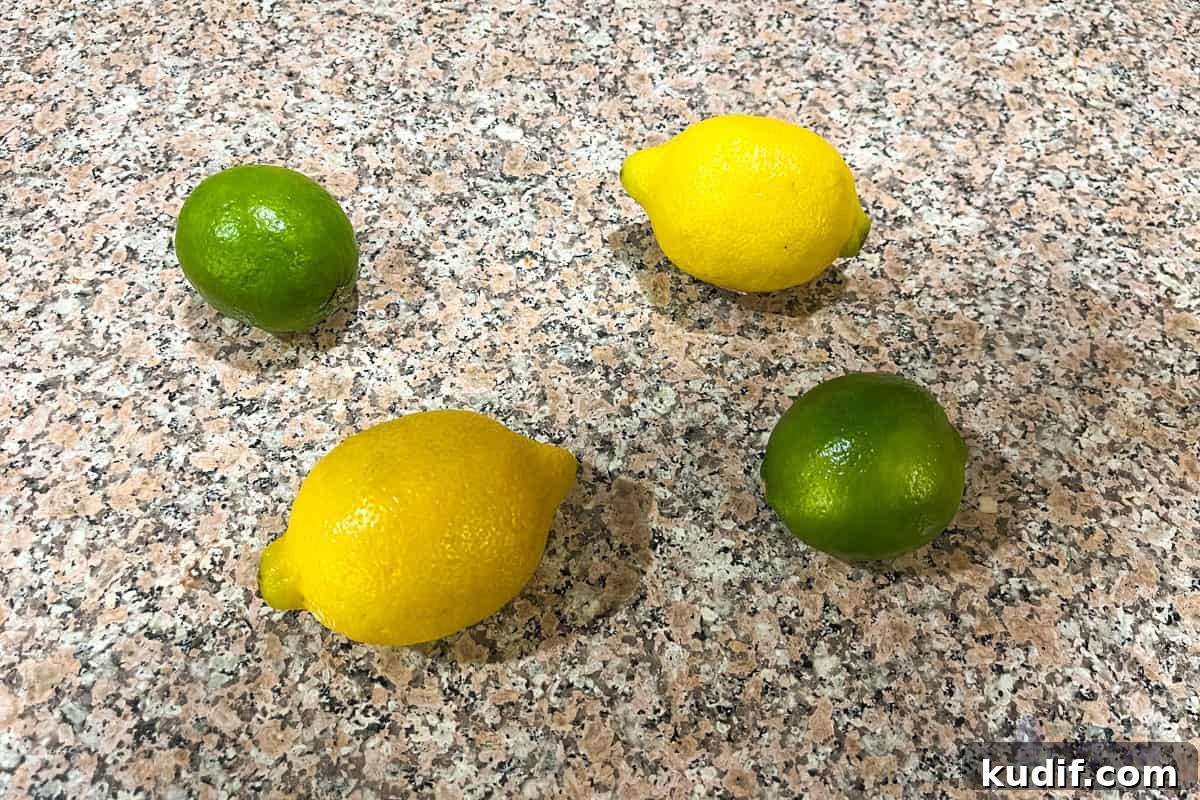
- Compost: Citrus peels break down in compost and add nutrients to your garden soil. Chop them to speed decomposition.
- Homemade cleaners: Infuse vinegar with citrus peels to create a natural, fragrant cleaning solution for surfaces and drains (avoid pouring straight oil-heavy infusions into drains).
- Zest and flavor: Grate peels for culinary use—zest brightens baked goods, sauces, and dressings.
Best Practices When Using Citrus Peels in a Disposal
Follow these tips to minimize risk and keep your disposal working well:
- Cut into small pieces: Quarter or finely chop peels before grinding to reduce strain and the chance of clumping.
- Use ice: Run a handful of ice cubes through the disposal occasionally to help dislodge trapped particles and clean the grinding chamber.
- Run water before, during, and after: Cold water during grinding helps carry debris through the drain. A short flush afterwards clears remaining particles. (Some recommend hot water after greasy food only.)
- Keep up maintenance: Periodically clean the unit with ice, vinegar, or manufacturer-recommended products. Always disconnect power before reaching into the disposal for any reason.
Foods You Should Never Put Down the Sink
Many common kitchen scraps can harm your disposal or clog plumbing. Avoid putting these items down the drain:
Items to keep out of the disposal
Potato peels – They can form a pasty mass that clogs the drain.
Fibrous vegetables (celery, asparagus) – Long fibers can wrap around the grinder and cause jams.
Banana peels and similar fruit skins – Stringy or tough peels can cause blockages.
Fruit pits and corn husks – Hard pieces can damage blades and create obstructions.
Thin papery skins – Onion or garlic skins can bunch up and get stuck.
Bones and shells – Even small bones or shell fragments can damage the unit and compact in pipes.
Coffee grounds – They pass through initially but can pack together in pipes like sand, causing clogs.
Grease and oils – Pour into a separate container for disposal; fats solidify in pipes and cause major blockages.
Also avoid non-food items such as twist ties, rubber bands, and pieces of sponges—these are common accidental causes of jams.
Other Effective Disposal Cleaning Methods
Several simple household items work well for cleaning and deodorizing a garbage disposal:
- Ice: Run a few cubes with the unit on to help knock loose trapped debris and sharpen moving parts.
- White vinegar: Pour a cup down the disposal occasionally to neutralize odors. For a deeper freshening, freeze vinegar into ice cubes and grind them.
- Baking soda: Sprinkle a little baking soda into the disposal, let it sit briefly, then flush with water. Avoid combining baking soda and vinegar at the same time—while fizzy, the chemical reaction is not the most effective long-term cleaner for the unit.
Bottom Line
Citrus peels can freshen and mildly clean a garbage disposal when used in small amounts and prepared properly. Cut peels into small pieces, run cold water while grinding, and occasionally use ice or vinegar to maintain the unit. Because peels are fibrous, avoid excessive use and consider composting or culinary uses when possible. With sensible habits and routine maintenance, your disposal will stay cleaner and last longer.