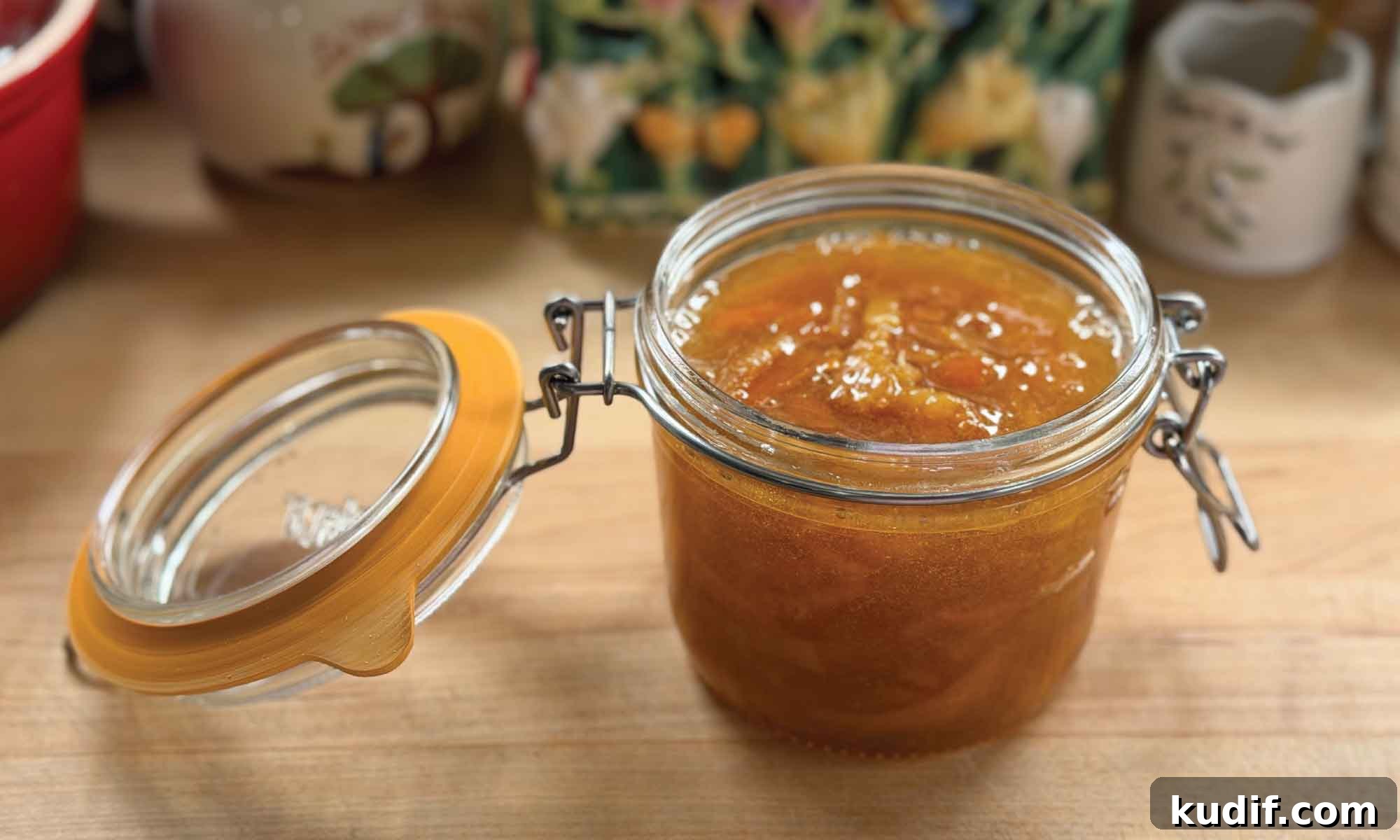
If you’ve ever peeled a tangerine and tossed the fragrant rind into the compost, consider pausing next time. Long before modern supplements and health fads, citrus peels were valued in traditional kitchens for their aroma and gentle culinary and digestive uses.
Below I explain how tangerine peels were traditionally used, why honey often played a role, and why one step in the process calls for intentionally discarding (or setting aside) some of the simmering water. This is old-fashioned kitchen wisdom at work.
Affiliates note: As an Amazon Associate I earn from qualifying purchases. My content may contain affiliate links to products and services. If you click through and make a purchase, I’ll receive a small commission. It does not affect the price you pay.
Table of Contents
- Tangerine Peels: More Than Just Scraps
- Tangerine Peel Tonic: When Bitterness Was a Benefit
- Honey-Candied Tangerine Peel: A Gentle Sweetmeat
- Why Was the Blanching Water Discarded?
- The Key Differences Between the Tonic and Candied Peels
- A Lesson Worth Remembering
- What To Do With The Fruit?
- How to Make a Tangerine Peel Tonic and Tangerine Sweetmeats
- Ingredients
- How to Make Tangerine Peel Tonic and Honey-Candied Tangerine Peels
- Recipe Tips
- Storing and Reheating
- More Old-World Kitchen Tonics
- Farmhouse Teas (and Herbs!)
- Backwoods Home and Self-Reliance
- The Modern Pioneer Cookbook
- The Modern Pioneer Pantry
- Start Your Traditional Foods Journey
- Download Your Free 36-Page Pantry List
- Join the Traditional Foods Kitchen Academy
- Kitchen Academy Videos
- How to Make Tangerine Peel Tonic and Tangerine Sweetmeats Recipe
- Shop for My Favorite Items
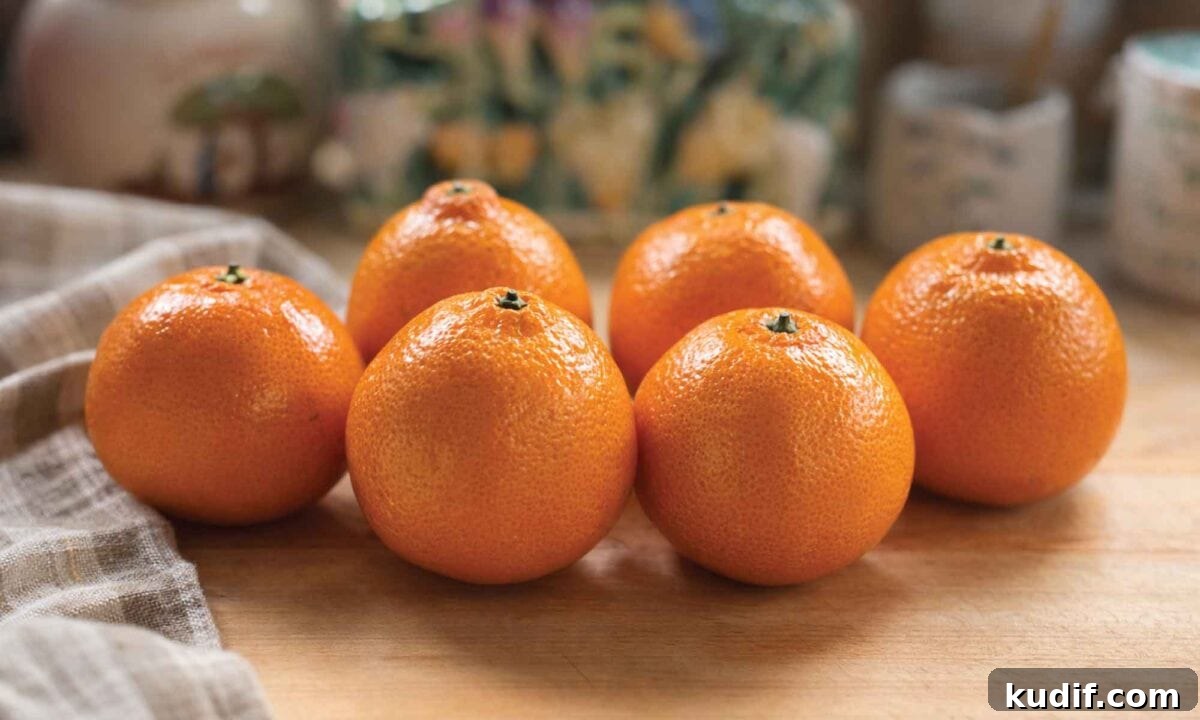
Tangerine Peels: More Than Just Scraps
In traditional kitchens, citrus was seasonal and treasured. Nothing was wasted—especially aromatic tangerine peels, which were transformed into useful preparations.
Tangerine rinds were prized for their:
- Natural aromatic oils
- Mild bitter compounds that support digestion
- Plant compounds valued in traditional foodways
Rather than discarding them, cooks used different methods tailored to the intended result—whether a warming tea or a preserved sweetmeat.
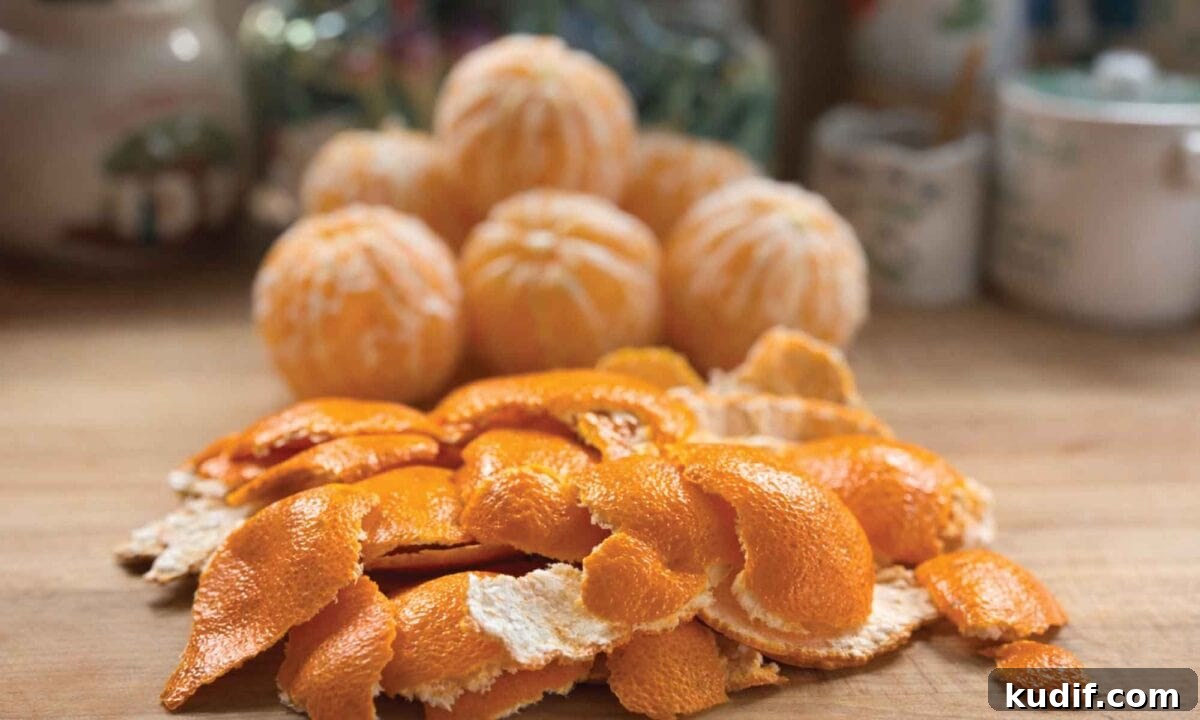
Tangerine Peel Tonic: When Bitterness Was a Benefit
A common old-world preparation is a simple tangerine peel tonic: a tea made by gently simmering fresh peels in water.
This tonic was not meant to be sweet. It was a small, functional cup enjoyed:
- After heavy meals
- When feeling fatigued
- During colder months
- To ease sluggish digestion
A hint of bitterness was purposeful—traditional cooks recognized that mild bitterness can stimulate digestion. The tonic was sipped in small amounts, like other classic digestive bitters.
Disclaimer
Note: I am not a doctor. This information is for educational purposes only and is not medical advice. If you are unwell, consult a medical professional. If you consider combining home remedies with treatment, discuss them with your healthcare provider. Honey must never be given to infants under one year; consult a pediatrician before offering honey to young children.
- Mary’s Nest Website Disclaimer Text
Honey-Candied Tangerine Peel: A Gentle Sweetmeat
When peels were intended to be eaten, they were prepared differently—as candied peels or sweetmeats. This process produced a softly preserved, fragrant treat.
Typical steps for honey-candied peels included:
- Blanching the peels in water (sometimes more than once)
- Gently simmering them in honey
- Preserving them as a soft, aromatic sweetmeat
These weren’t modern confections but modest treats eaten sparingly—often one or two strips after a meal to aid digestion or as a winter sweet when fresh fruit was scarce.
Honey was the preferred sweetener because it was:
- The traditional sweetener before refined sugar
- Naturally preserving
- Gentle and nourishing
Why Was the Blanching Water Discarded?
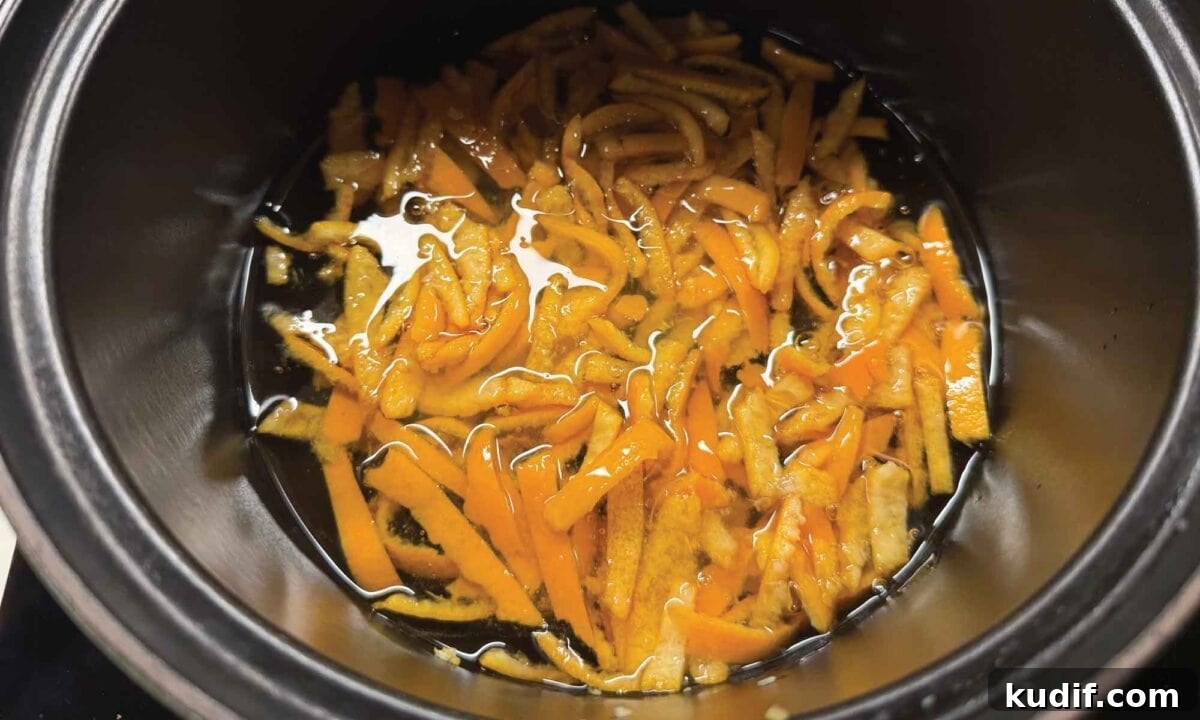
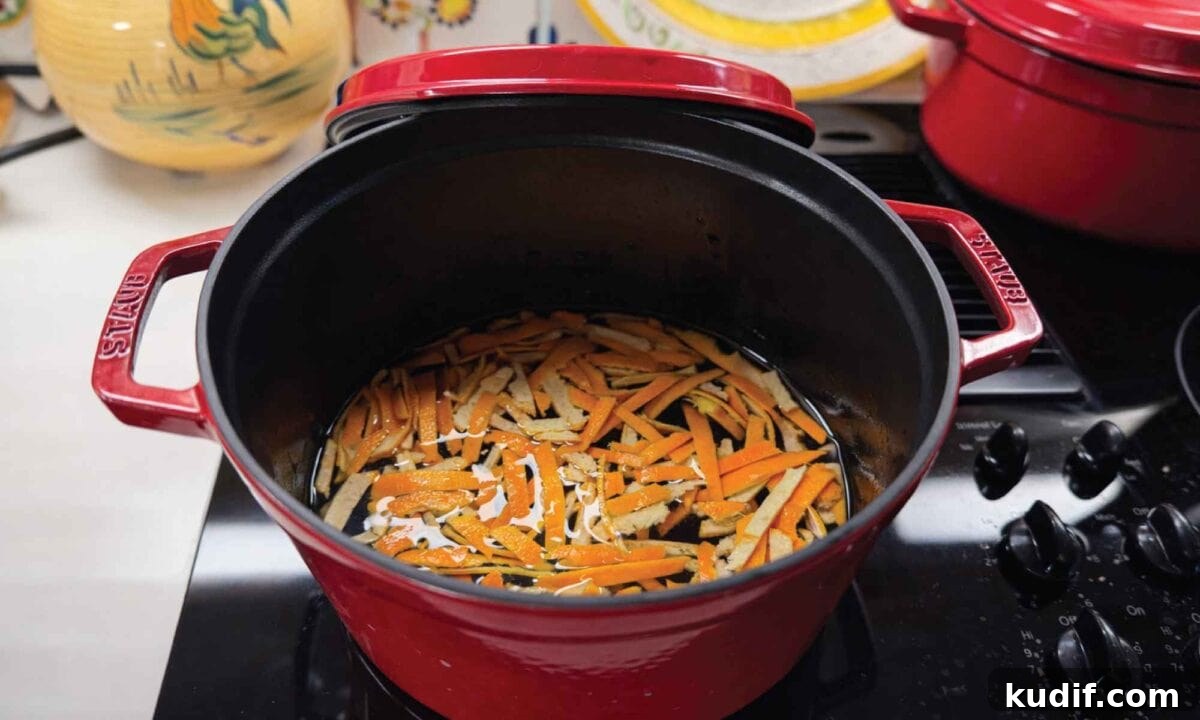
Here ancestral practicality stands out. The first blanching pulls out strong bitter compounds, so that the peels become pleasant when cooked in honey. Ancestors intentionally set that first blanching water aside because it contains the extracted bitterness and aroma.
“Discarded” often meant reserved for another use rather than thrown away. That initial blanching water becomes the tangerine peel tonic described earlier.
Water from subsequent blanchings was also used in useful ways:
- Added to baking as a flavorful liquid
- Mixed into porridges or puddings
- Used for steam inhalation when fighting a cold
- Simmered to lightly scent the home
The Key Differences Between the Tonic and Candied Peels
The difference comes down to intention and handling:
- The tonic is slightly bitter and functional
- The candied peels are softened, sweet, and meant to be nourishing
“Same peel.
Different purpose.
Different handling.”
Traditional cooks used common sense and seasonal wisdom—nothing was wasted and preparations were purposeful.
A Lesson Worth Remembering
What’s most appealing about these practices is their balance: no extremes, no waste, and no miracle claims—just careful hands and respect for food. Often the wisest approach is understanding why a method was used rather than assuming more is better.
“Sometimes, the most nourishing thing we can do is slow down and learn from what our ancestors already knew: choosing simplicity, moderation, and thoughtful preparation over excess.”
What To Do With The Fruit?
After using the peels, enjoy the fruit fresh or refrigerate it. You can also blend and freeze the fruit in ice cube trays to add to smoothies, flavor water, or add moistness and citrus flavor to baked goods.
How to Make a Tangerine Peel Tonic and Tangerine Sweetmeats
This is a two-part process: first make the tangerine peel tonic, then use the blanched peels to create honey-candied tangerine peels.
Ingredients
Find the full printable recipe with measurements below in the recipe section.
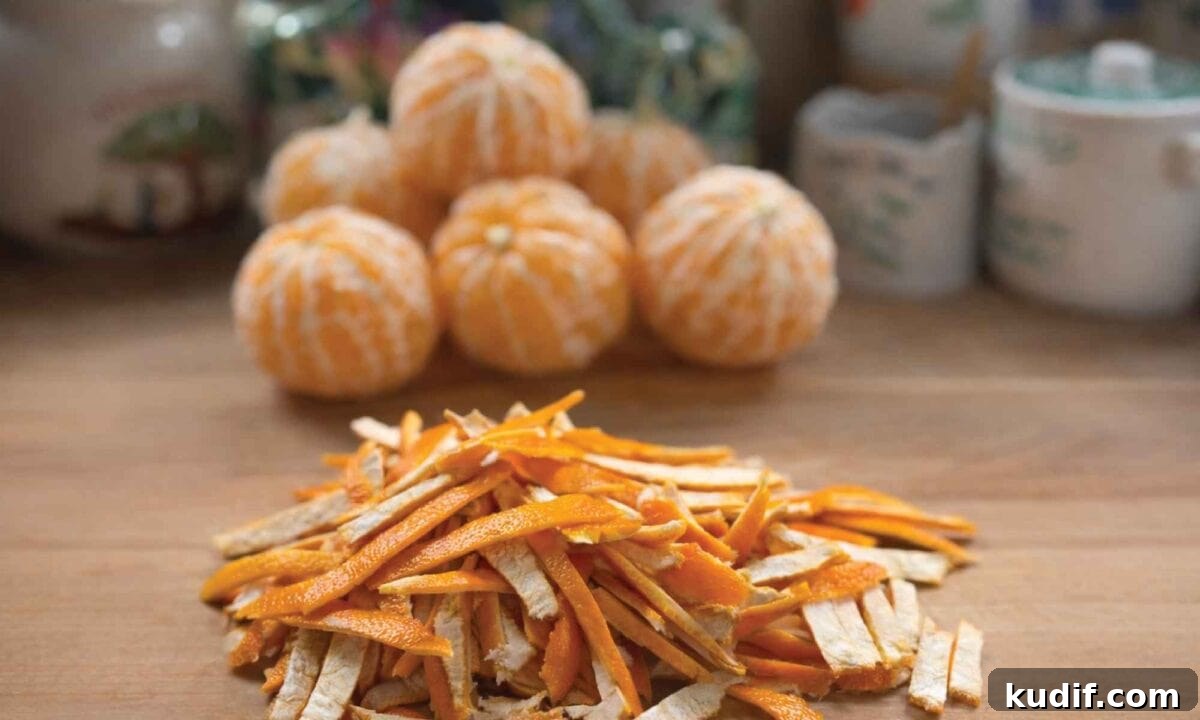
Tangerine Peel Tonic Ingredients
- Peels from 6 organic tangerines
- 1 quart filtered water
- Optional: a small strip of fresh peeled ginger, 1 cinnamon stick
- Drizzle of raw honey (added after simmering, optional)
Honey-Candied Tangerine Peels Ingredients
- Peels from 6 organic tangerines
- Water for blanching
- 2 cups pourable honey
- 1/2 cup filtered water
- Optional: 1 small cinnamon stick, 1–2 whole cloves
How to Make Tangerine Peel Tonic and Honey-Candied Tangerine Peels
This section summarizes the steps; the full printable recipe follows in the recipe block below.
Tangerine Peel Tonic Steps
- Wash tangerines well and dry. Remove peels and cut into thin strips, trimming any excessively thick pith.
- Place peels in a medium saucepan with filtered water.
- Bring just to a gentle boil, then reduce to the lowest heat and simmer, covered, for 30 minutes.
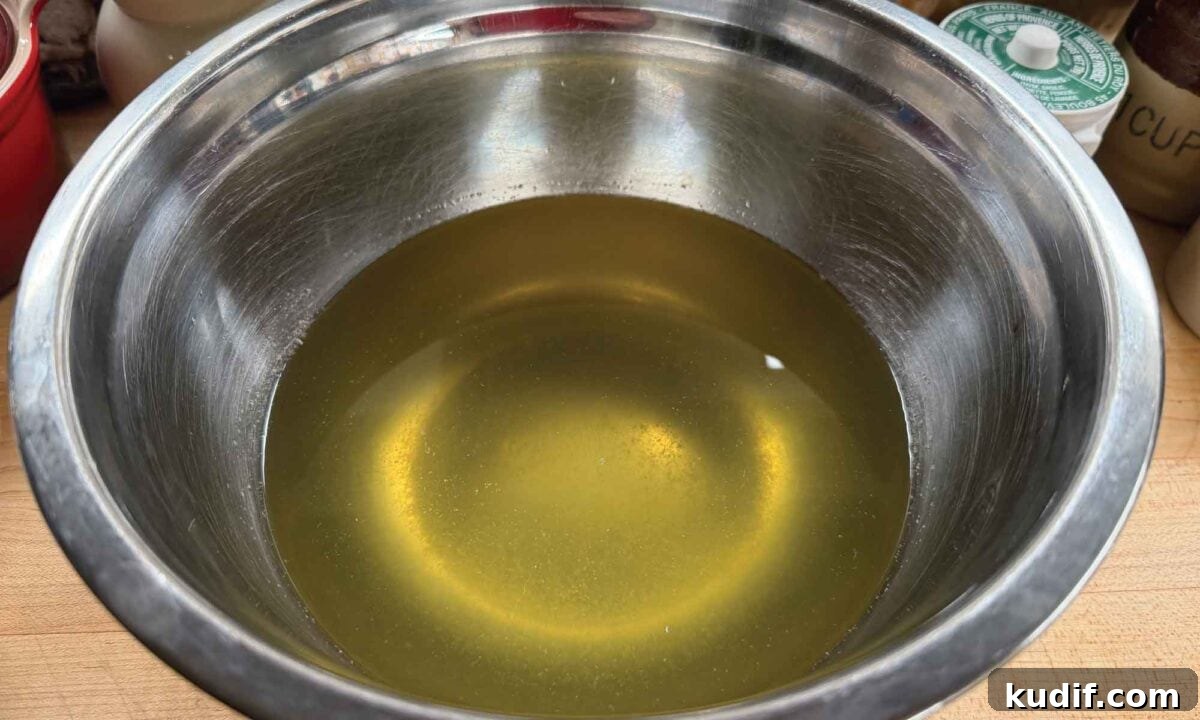
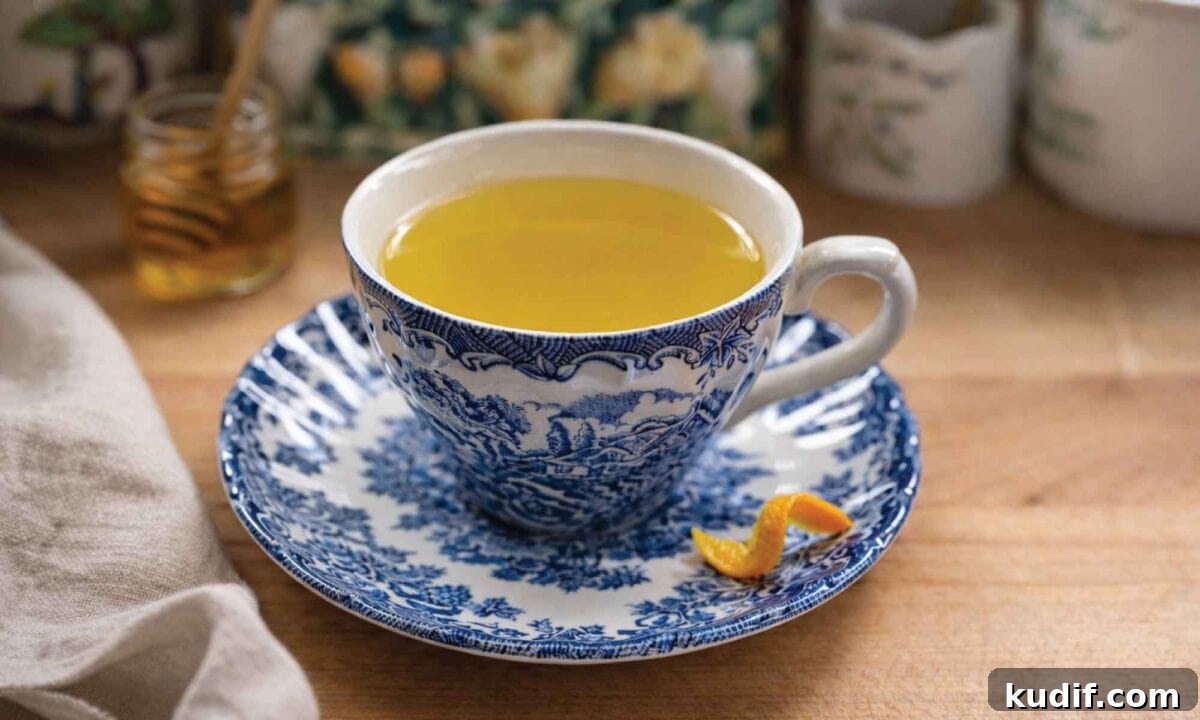
- Remove lid, strain out peels, and allow the liquid to cool slightly. This strained liquid is the tangerine peel tonic—sip warm or store refrigerated up to 24 hours and rewarm gently.
Honey-Candied Tangerine Peels Steps
- Wash and peel tangerines, cut peels into strips as above.
- Cover peels with cold water, bring to a boil, then simmer covered for 30 minutes. Drain and reserve this first blanching (this is the tonic).
- Blanch the peels two more times for about 5 minutes each to reduce additional bitterness; collect those waters separately for other uses.
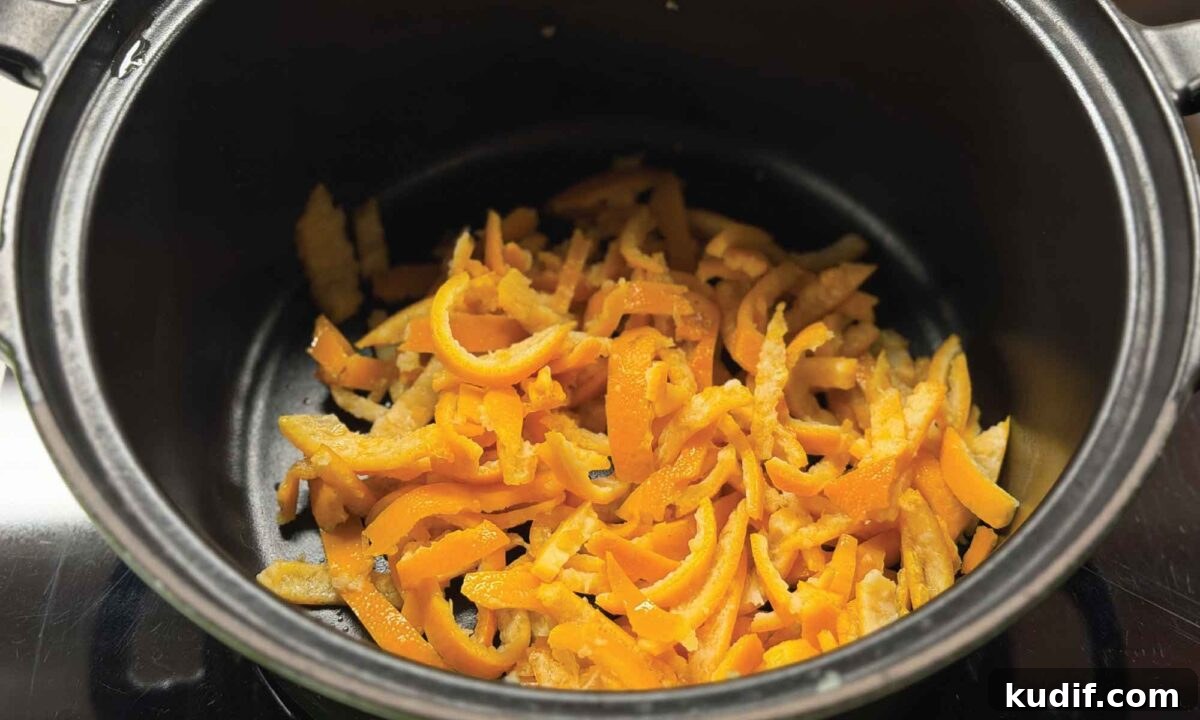
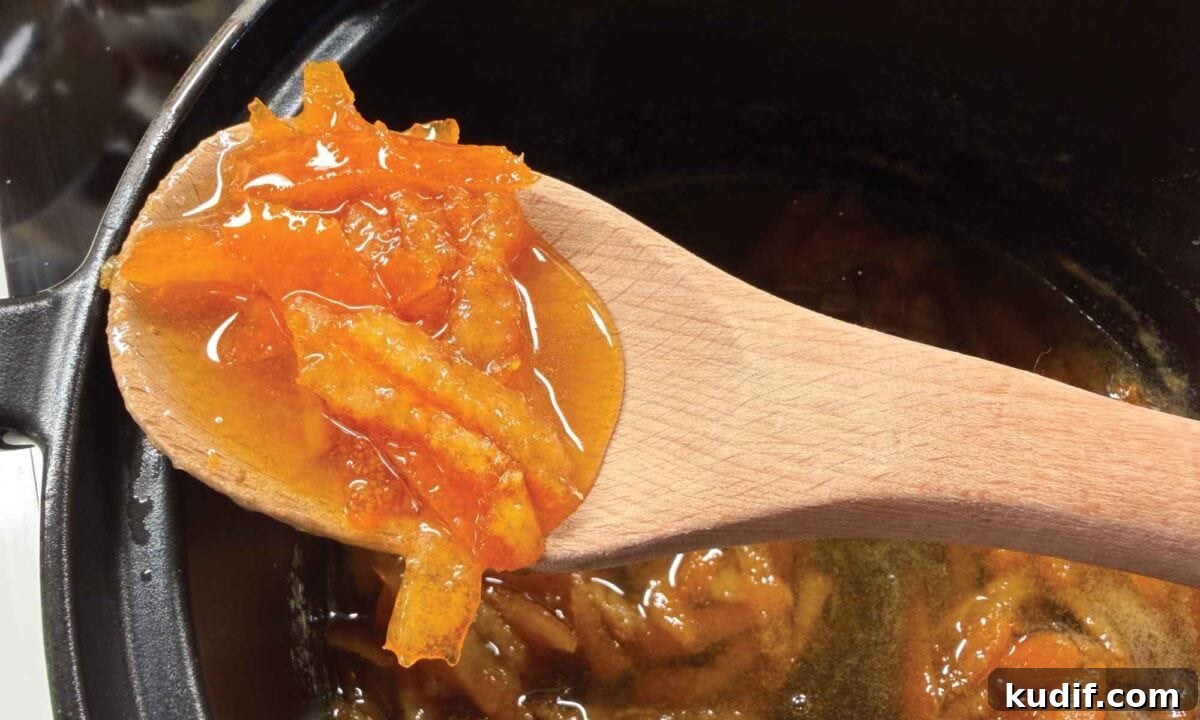
- After the final drain, combine the peels with honey and 1/2 cup filtered water in a small saucepan. Bring to a gentle simmer—do not boil.
- Simmer uncovered 45–60 minutes, stirring occasionally, until peels are soft, translucent, and coated in honey. Add spices in the last 15 minutes if desired.
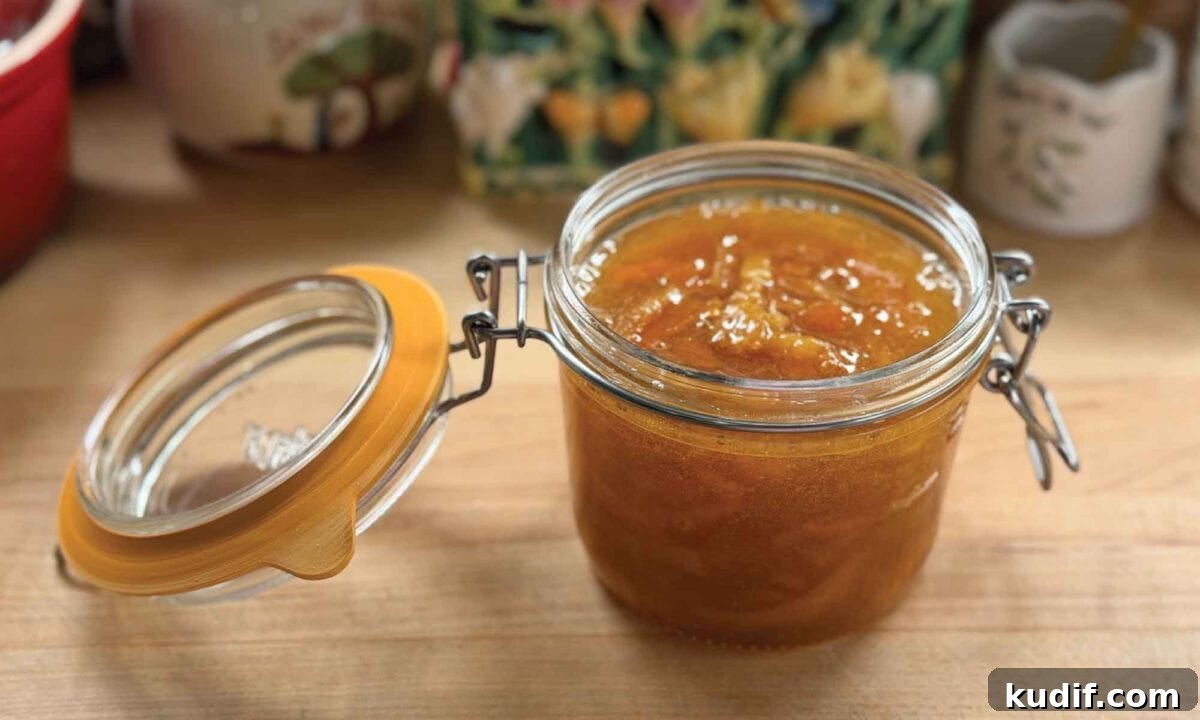
- Cool slightly, transfer peels and honey to a clean jar, cool completely, then refrigerate up to three months.
Recipe Tips
These tips apply to both parts of the recipe.
Entire Recipe Tips
- Always use organic tangerines because peels concentrate agricultural residues.
- Honey should never be given to infants under one year; consult a pediatrician before offering honey to toddlers.
Tangerine Peel Tonic Recipe Tips
- Enjoy the tonic warm. One small mug (½–1 cup) once or twice daily is sufficient.
- The tonic is a comforting kitchen tea, not a strong medicinal dose.
- The aroma can be uplifting and soothing for mild congestion and digestion.
Honey-Candied Tangerine Peels Recipe Tips
- Eat these peels sparingly—one or two strips after a meal is plenty.
- They make a lovely addition when chopped into cakes or breads, or the infused honey can be drizzled on yogurt.
- This method yields a soft, old-fashioned sweetmeat rather than a firm modern candy.
Storing and Reheating
Store the tonic and peels separately as directed below.
Tangerine Peel Tonic Storing and Reheating
- After cooling, refrigerate the tonic in a covered container for up to 24 hours. Rewarm gently on low heat before serving.
Honey-Candied Tangerine Peels Storing
- Keep cooled, covered, and refrigerated for up to three months.
More Old-World Kitchen Tonics
If you enjoy traditional tonics, explore other time-honored digestive preparations that use simple ingredients and historical techniques—gentle supports rather than trendy cures.
Farmhouse Teas (and Herbs!)
Farmhouse Teas is a source for dry herbs and blends, and they offer a discount for my readers. Use them to source ingredients for traditional remedies and kitchen tonics.

- Get 10% off your order with my discount code MarysNest1
You can use these and other sources to gather ingredients for the traditional remedies featured in my recipes and videos.
Backwoods Home and Self-Reliance
I recommend printed magazines focused on practical self-reliance and traditional food skills. Subscribers may find special offers from the publishers.

- Special Offer: The publisher has offered a discount on subscriptions to their print magazines.

Order YOUR COPY Now!
The Modern Pioneer Cookbook
Seasonal ingredients, traditional techniques, and nourishing recipes. Over 85 traditional, from-scratch recipes to help you build a modern pioneer kitchen.

Order YOUR COPY Now!
The Modern Pioneer Pantry
Simple ingredients and timeless techniques to preserve food and turn pantry staples into nourishing meals—over 100 recipes for home food preservation and pantry cooking.
Start Your Traditional Foods Journey
My cookbooks and videos are designed to help you create a traditional foods kitchen—practical, seasonal, and nourishing. They offer hands-on recipes and preservation techniques for everyday cooking.
Download Your Free 36-Page Pantry List
For a comprehensive list of traditional pantry staples and recipes, download the free 36-page Traditional Foods Pantry List to help stock and plan a real-food pantry.

- FREE 36 Page Traditional Foods Pantry List – Printable Pantry Staples List
Join the Traditional Foods Kitchen Academy
If you want more traditional foods videos and instructional content, consider joining the Traditional Foods Kitchen Academy for members-only videos and extras.
Kitchen Academy Videos
Baking with Whole Grains: The Maslin Method, Grain Mills, and America’s Bread Basket
Explore whole grain baking with fresh-milled flour, grain mills, heritage wheats, and more.

A Sweet Season of Celebration and New Beginnings with The Maslin Method Baking School Series
Celebrate a heartfelt book tour and the launch of a baking school for traditional baking.
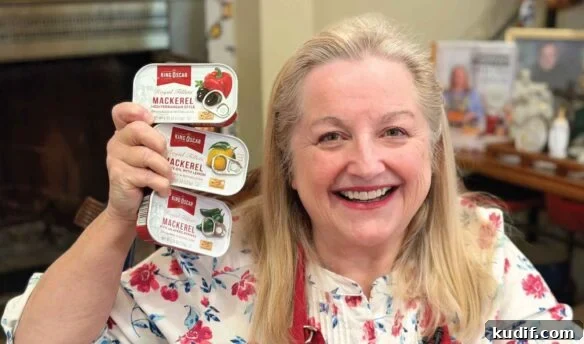
Why We Should Incorporate Mackerel Into Our Diet
Easy and nourishing ways to enjoy mackerel in your meals.
How to Make Tangerine Peel Tonic and Tangerine Sweetmeats
Save Recipe
Rate Recipe
Part one: a gentle infusion of organic tangerine peels simmered in water. Traditionally used to support digestion, ease mild congestion, and provide gentle nourishment.
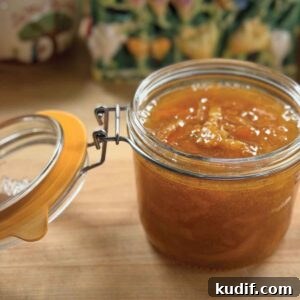
Part two: peels are blanched to remove excess bitterness, then slowly simmered in honey to make a softly preserved sweetmeat—meant to be enjoyed in small, mindful portions.
Equipment
-
Vegetable peeler or small knife
-
Medium saucepan
-
Small saucepan
-
Fine mesh strainer
-
Heatproof mug or jar
-
Small glass jar or crock with lid
Ingredients
- 6 organic tangerines, peeled (use the peels)
- 1 quart filtered water
- Small strip fresh peeled ginger (optional)
- 2 cinnamon sticks, divided (optional)
- Drizzle of raw honey (optional)
- 2 cups pourable honey (for candied peels)
- 1/2 cup filtered water (for candied peels)
- 2 whole cloves (optional for candied peels)
Instructions
-
Wash the organic tangerines well and pat dry.
-
Use a peeler or knife to remove peels and cut into thin strips, trimming very thick pith.
-
Place peels in a medium saucepan with the quart of filtered water.
-
Bring to a gentle boil, then reduce to the lowest heat and simmer covered for 30 minutes.
-
Remove lid, strain out peels—the strained liquid is your tangerine peel tonic.
-
Sip some tonic warm or cool and refrigerate up to 24 hours; rewarm gently.
-
To make honey-candied peels, repeat blanching two more times for about 5 minutes each, collecting those waters separately for other uses.
-
After final draining, transfer peels to a small saucepan with honey and 1/2 cup water.
-
Bring to a gentle simmer over low heat—DO NOT BOIL—and simmer uncovered 45–60 minutes until soft and translucent.
-
Add spices in the last 15 minutes if using, then remove from heat and cool slightly.
-
Transfer peels and honey to a clean jar, cool completely, cover, and refrigerate up to 3 months.
Notes
For the candied peels: eat sparingly—one or two strips after a meal; the infused honey is lovely drizzled on yogurt or toast; this yields a soft, old-fashioned sweetmeat.
Disclaimer: I am not a doctor. If you are unwell, seek professional medical attention. If you plan to use home remedies alongside treatment, consult your healthcare provider. Honey must never be given to infants under one year.
Copyright © 2026 Mary’s Nest, LLC, All Rights Reserved
Watch Mary’s Nest on YouTube
Shop for My Favorite Items
Favorite Kitchen Supplies
- Favorite aprons
- Spice grinder
- Countertop burner
- Handheld vacuum sealing system
- Vacuum lids
- Whisk
- Silica gel packets
- Cast iron Dutch oven
- 8-quart slow-cooker
- Fat separator
- Flour sack towels
- pH strips
Shopping Guide
- Visit my recommended shop for curated kitchen and pantry items.
- Check the shopping guide for discounts on traditional foods ingredients and equipment.
Recommended Reading
- The Modern Pioneer Cookbook
- The Modern Pioneer Pantry
- Nourishing Traditions