The best way to use Crowdfire?
Want to know the best way to use Crowdfire?
Looking for the most efficient approach to grow your social networks?
Below I’ll share what I’ve learned about using Crowdfire and similar tools, and how applying those lessons will affect your social media presence and blog readership.
This advice comes down to one simple rule:
Don’t use Crowdfire to bulk follow, unfollow or auto-message.
And, more broadly, avoid any service that encourages indiscriminate, automated follower or engagement tactics. If you’re serious about meaningful social media growth, that’s the best guidance I can give: don’t use these tools for mass outreach.
Why not? I NEED followers!
Because the whole point of social media is being social. Automating mass follows or messages undermines the very nature of platforms designed for human interaction. Bulk following, automated messaging, and hyper-management of accounts create impersonal, disengaging behavior — the opposite of what social networks are meant to foster.
Tools that make it easy to follow thousands at once, auto-DM, or broadcast to every possible channel contribute to a noisy, low-value environment. They encourage a flood of self-promotion that turns feeds and inboxes into a stream of generic, attention-seeking content rather than a place for genuine connection.
Getting the messages
Chances are you’ve received those boilerplate direct messages after someone follows you, the ones that scream: “Thanks for following! It means SOOO much to me!! COME AND FOLLOW ME ON FACEBOOK, INSTA…” and often sign off with “via Crowdfire.”
They’re impersonal and obvious. I replied to one as an early experiment and never received a human response in return. That experience summed up why automated outreach is counterproductive: it signals that the sender is more interested in numbers than in real conversation.
When someone’s first contact with you is canned and spammy, you rightly expect low-quality interaction going forward. That’s not a relationship you want to build.
Your social life
Social media, as the name implies, should enable community, conversation and sharing. In that light, blindly bulk-following others might seem efficient, but it’s a strategy built on quantity, not relevance.
“Social media – websites and applications that enable users to create and share content or to participate in social networking.”Google
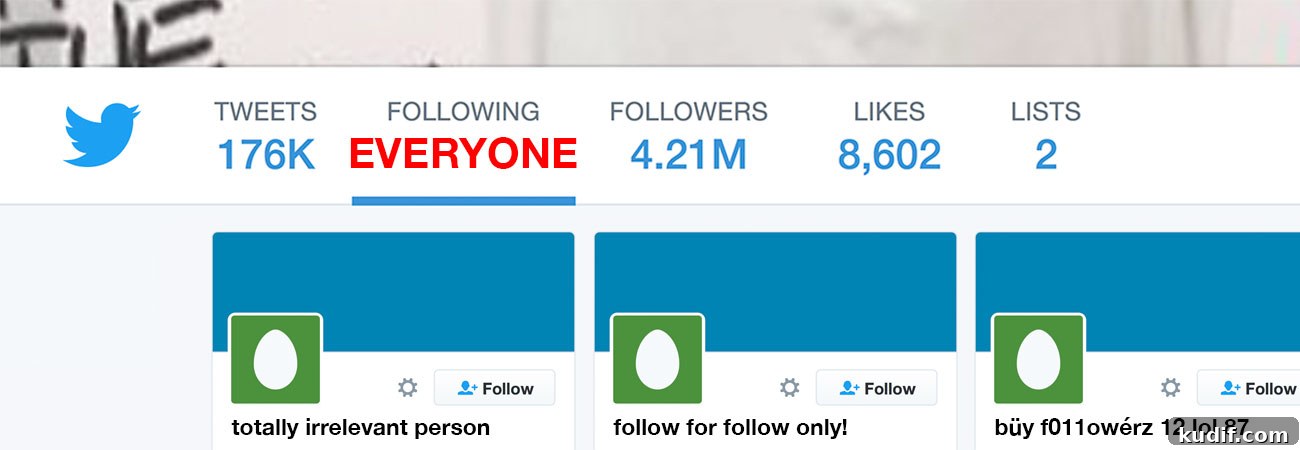
Yes, a bulk follow tool can inflate follower counts, but it also floods your timeline with irrelevant posts and risks filling your audience with bots, inactive accounts, or people who followed only to get a follow-back. That kind of growth rarely leads to meaningful engagement.
Relevance
When you copy-follow another account’s followers without checking their profiles, you’re essentially shooting into the dark. You might land followers who have nothing to do with your niche or interests — fake accounts, disinterested users, or people who simply follow back automatically.
To build a useful, engaged audience, you need to evaluate people before following. That means spending time on your platform directly, engaging with relevant accounts and joining conversations. Crowdfire and similar tools are blunt instruments when used indiscriminately and often lead to following many low-quality accounts.
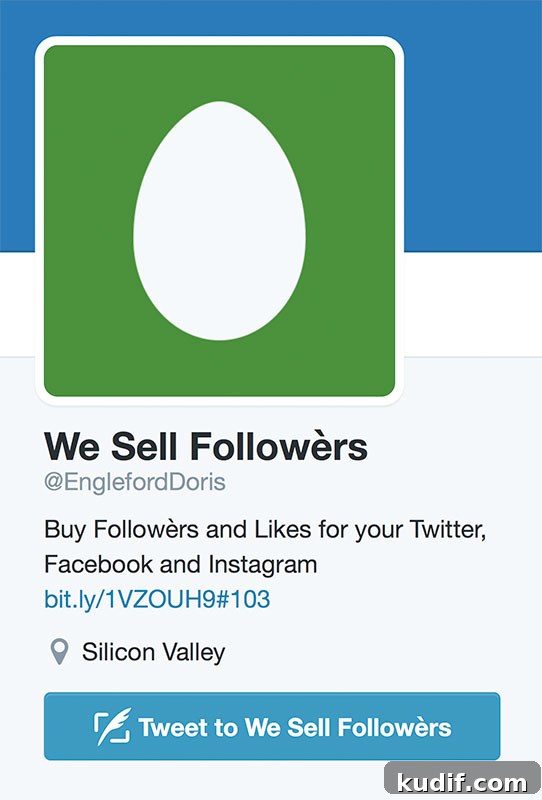
Targeted, thoughtful follows beat mass, random follows every time.
Follow for Follow
Systems based on follow-for-follow ignore relevance. Even if you aim to follow appropriate users, the approach invites noise. Your feed can quickly become clogged with uninteresting tweets, irrelevant retweets and multilingual posts that don’t match your interests. In short, bulk following often creates a chaotic, low-quality timeline.
People who rely on mass automation also tend to:
Auto post across networks, badly
Cross-posted content can look awkward on different platforms. Formatting breaks, repeated posts, or garbled messages make accounts seem careless or robotic.
Schedule posts inappropriately
Scheduled content can be useful, but poorly timed or context-free posts are obvious and off-putting. Over-scheduling removes spontaneity and human response from your channels.
Persistently auto-post old content
If your account mainly republishes archive posts instead of sharing fresh, personal content, you’re signaling that the account is more of an advertisement machine than a person or brand interested in conversation. That undermines trust and engagement.
Following vs Readership
For bloggers and content creators, an engaged readership is far more valuable than a large but passive follower count. Ten genuine readers who respond, share, and return matter more than thousands who barely notice your posts.
Measure success by interaction: replies, retweets, comments and clicks. A small number of meaningful interactions shows real connection; large numbers with no response indicate irrelevance. Engagement is what sustains long-term audience growth.
Authenticity
Using automation to simulate personality sacrifices authenticity — the cornerstone of genuine human interaction online. Pre-programmed messages and auto-engagement replace honest conversation with mechanical behavior.
When you trade authenticity for automation, your online presence becomes superficial. For most creators and brands that value long-term relationships, authenticity should come first; automation can support, but not replace, real human engagement.
You’re getting engaged
Following someone doesn’t guarantee they follow your work. Big follower numbers are meaningless unless those followers actively engage. Real success is measured by the connections you make and the conversations you spark.
Don’t be seduced by follower-count vanity. If your goal is to spread a message without interaction, mass-follow strategies may work. But if you want a meaningful, enjoyable social media experience and a readership that truly values your work, prioritize authentic engagement over inflated numbers.
In short: use social media like a social platform. Engage, be relevant, and grow relationships that matter.