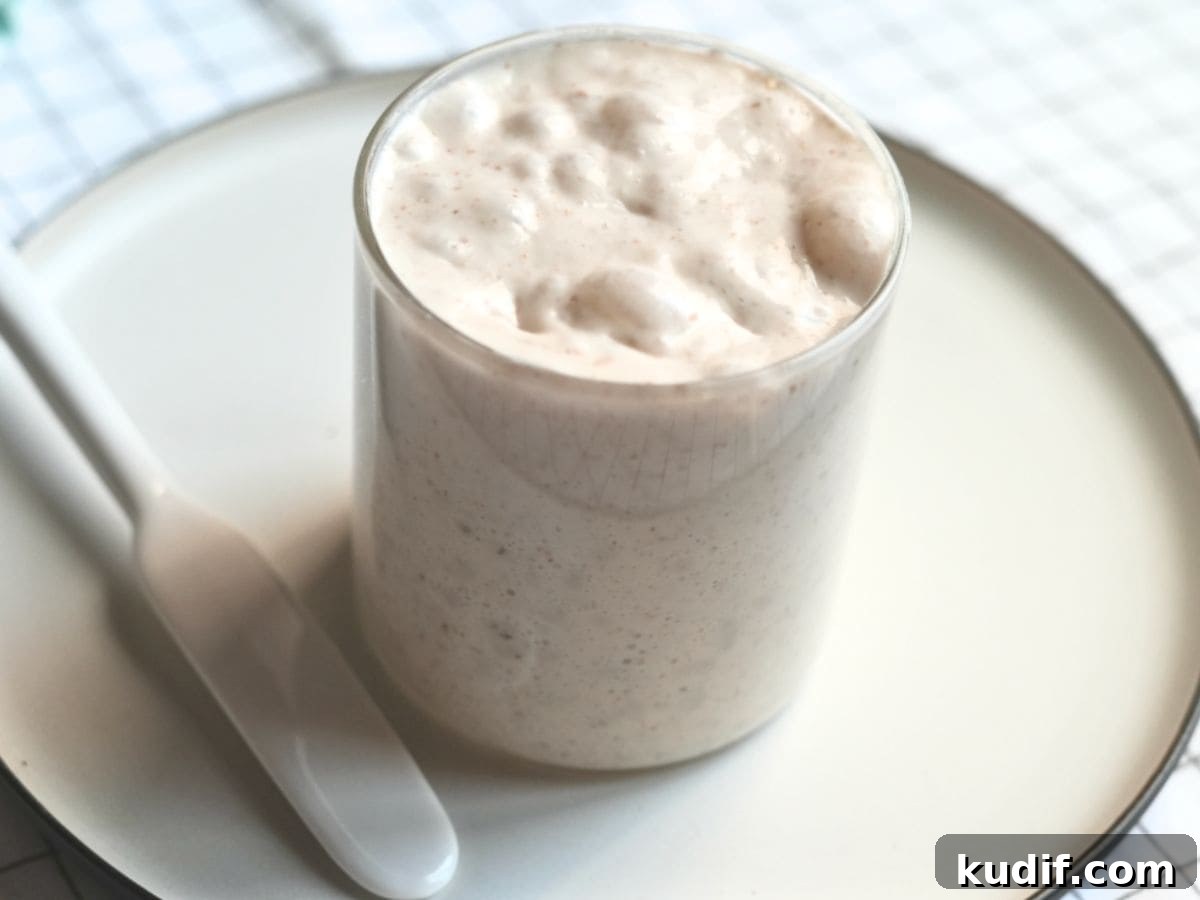
This simple sourdough starter method is perfect for beginners. With just flour, water, and a little patience, you can develop an active, bubbly starter to leaven flavorful homemade sourdough bread.
Using basic ingredients and a straightforward routine, you’ll create a balanced culture of wild yeast and beneficial bacteria that adds lift, texture, and a pleasant tang to your loaves.

What is a sourdough starter
A sourdough starter is simply a mixture of flour and water that has been fermented by naturally occurring yeasts and lactic acid bacteria. Over several days these microbes multiply and create a lively culture you can use to bake bread without commercial yeast.
When you leave a thick batter of flour and water at room temperature, airborne microorganisms and those present in the flour begin to colonize the mixture. As they feed on the starches, the starter changes in aroma, appearance, and activity.
We harness this natural fermentation to grow a stable, active starter that will reliably leaven and flavor sourdough bread.
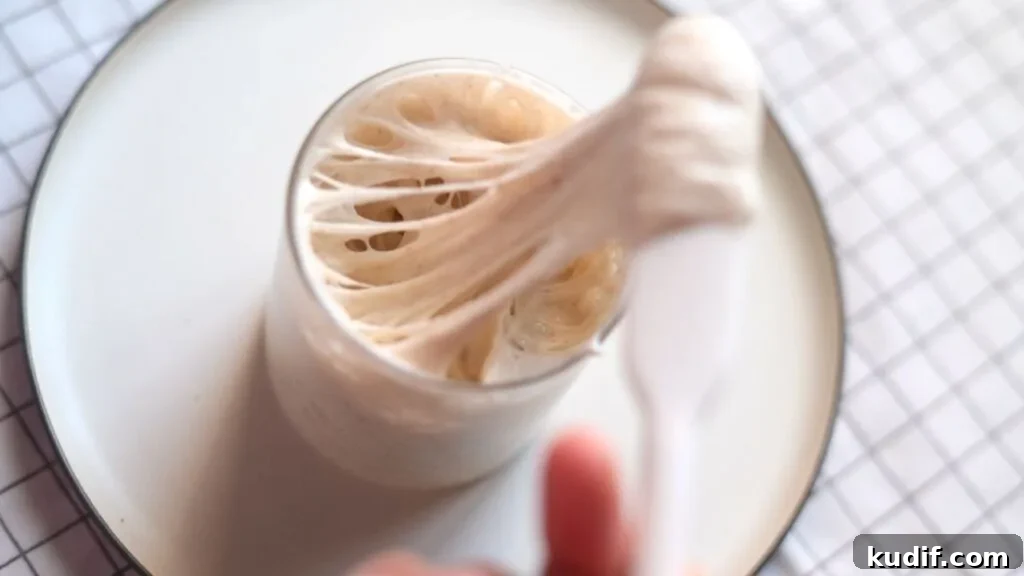
Ready to start? Making a sourdough starter from scratch is rewarding and surprisingly easy. Follow the steps below and you’ll be on your way to baking your own sourdough loaves.
Sourdough Starter For Beginners :Step by step Video
Ingredients For making Sourdough Starter
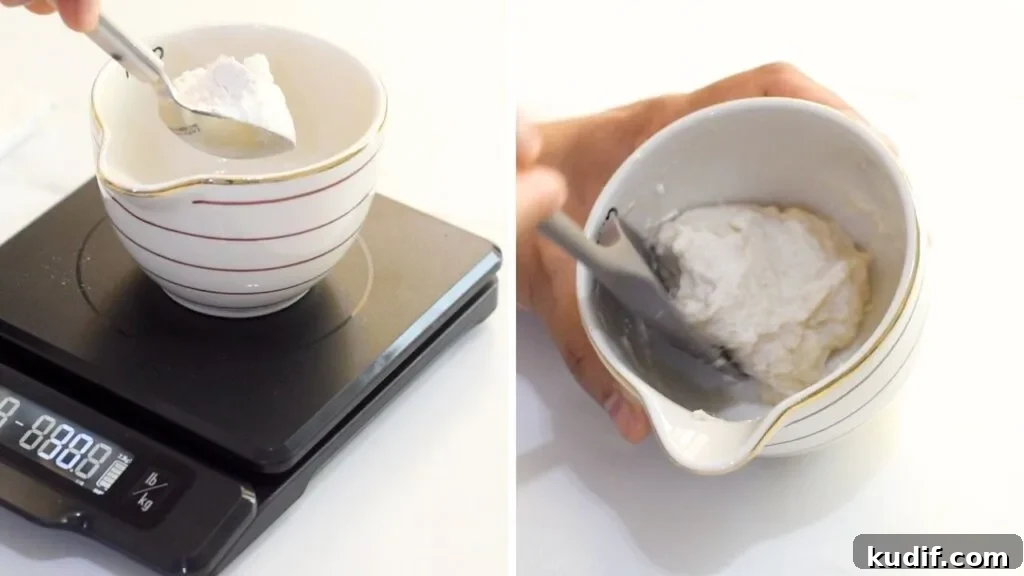
All you need to create a starter is flour and water. You can use almost any flour, but a mix of bread flour with some whole-grain flour (whole wheat, rye, or spelt) gives great flavor and activity.
I often use a ratio of 5 parts bread flour to 1 part whole wheat—for example, 250 g bread flour and 50 g whole wheat flour for the initial mix.
Sourdough starter for beginners :Step-by-Step Guide
There are many techniques for building a starter, but the basic principle is the same: combine flour and water, encourage fermentation, and feed regularly until the culture is strong and active. Below is a simple schedule that works well for most home bakers.
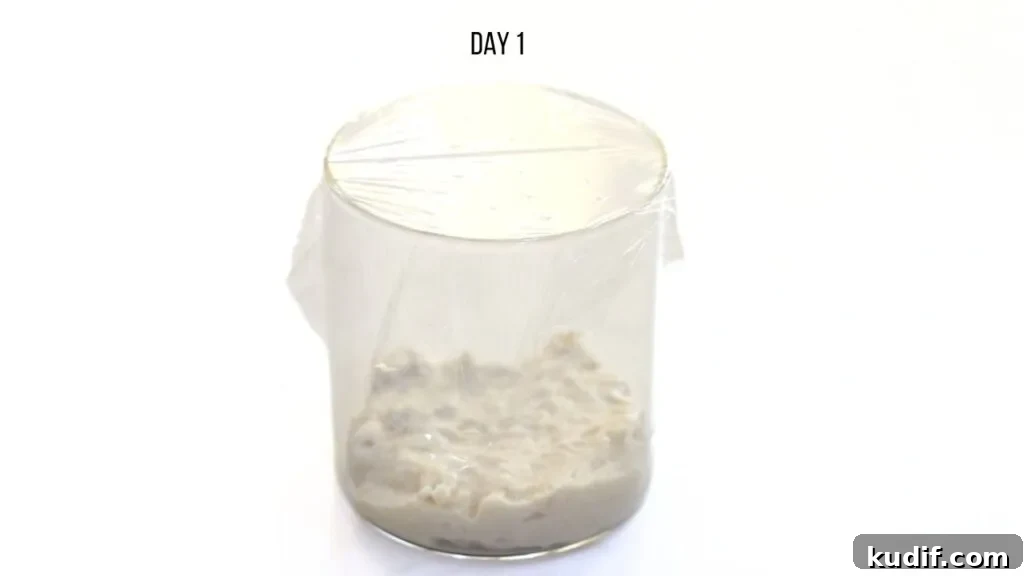
Day 1: Mixing Flour and Water
Mix equal parts flour and water to form a thick batter. Stir until smooth and transfer to a clean glass container. Cover loosely with a lid or cling film—pierce the film or leave a small gap to allow airflow.
Leave the jar at room temperature (around 70°F/21°C is ideal) for 24 hours. This lets the initial fermentation begin.
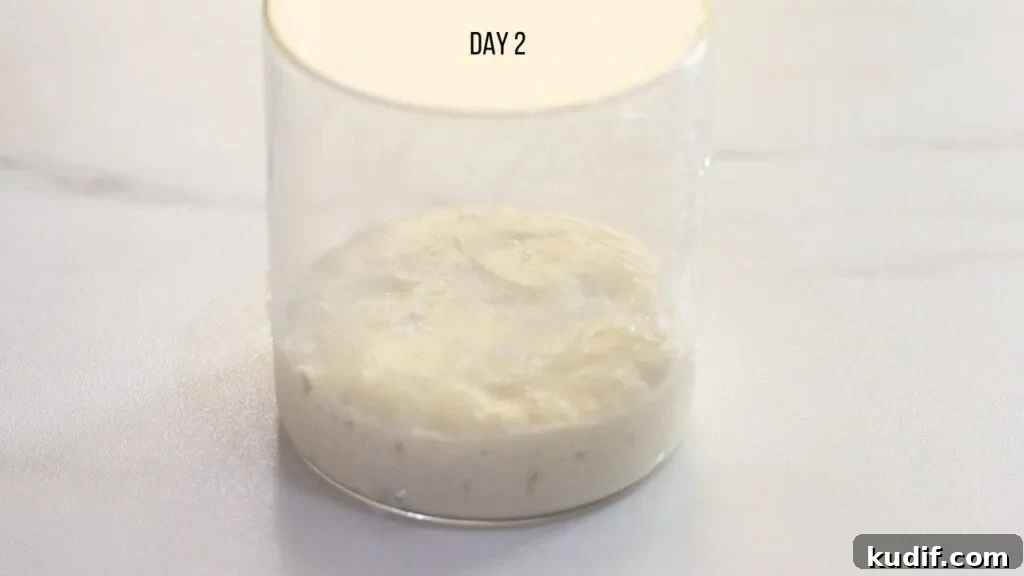
Day 2: Stir and Transfer
By the second day you may notice a few small bubbles. Gently stir the mixture, then transfer it to a clean jar if needed. Cover again and leave at room temperature for another 24 hours.
Days 3-7: Daily Feedings
From day 3 onward, begin daily feedings. Use a 1:1:1 ratio of starter:water:flour by weight—for example, 30 g starter + 30 g (ml) water + 30 g flour. Mix, cover, and leave at room temperature for 24 hours.
On day 3 you might see larger bubbles and increased activity. Day 4 can be quieter; that’s normal—don’t discard the starter, just continue feeding.
By day 5 the starter should begin to show consistent rise-and-fall activity, a sign that fermentation is gaining strength.
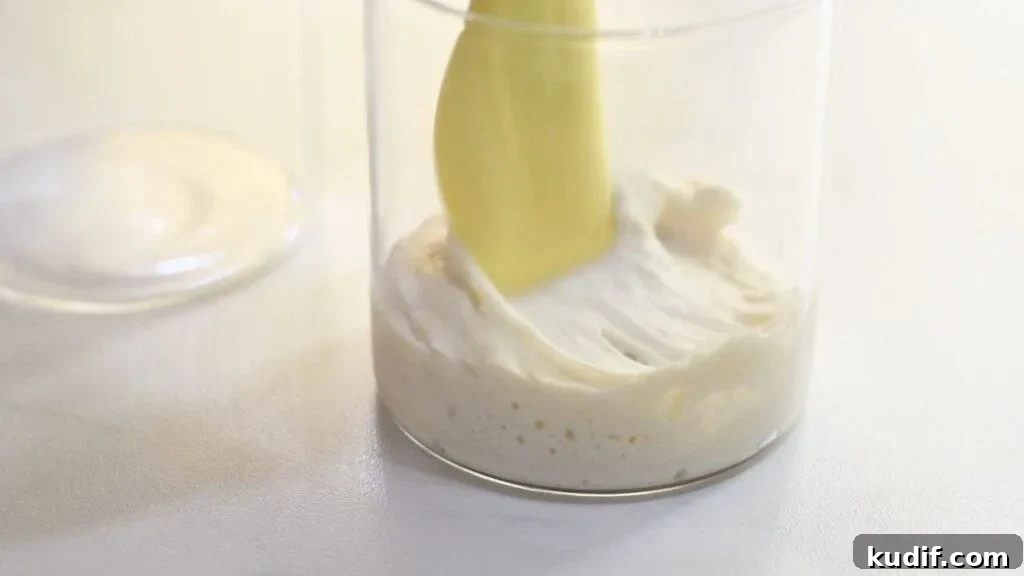
Days 8-10: Feed at Peak
By day 8 your starter should be noticeably active. From this point, feed it whenever it reaches its daily peak (the highest rise) rather than on a strict clock. This helps strengthen the culture.
Continue this approach for several days. By day 10 the starter should be lively, aromatic, slightly tangy, and full of bubbles.
To check readiness, perform a float test: drop a spoonful of starter into a bowl of water. If it floats, it’s buoyant and ready to leaven bread.
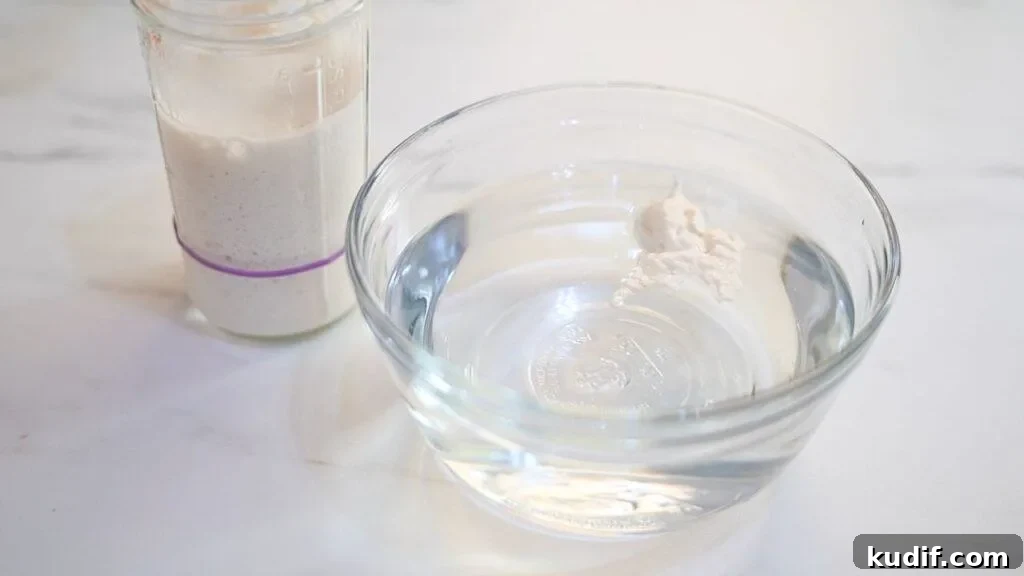
If the starter isn’t quite ready by day 10, keep feeding at peak times for a few more days until activity and aroma indicate strength.
Once your starter is established, you can experiment with different flours, hydration levels, and feeding schedules to shape its flavor and behavior. Sourdough baking is part science, part craft—each starter and loaf reflects the care you put into it.
Gather your flour and water, follow the routine, and enjoy the journey. With patience and simple daily attention you’ll have a dependable sourdough starter to bake with for years.

Print Recipe
How to make Sourdough Starter For Beginners
Equipment
-
Straight-sided glass container
-
Spatula
Ingredients
- 250 g Bread flour
- 50 g Whole wheat flour (you can substitute rye or spelt)
Instructions
-
What is a sourdough starter
A sourdough starter is a fermented mixture of flour and water used to make natural-leavened bread.
-
Day 1: Mixing Flour and Water
Combine equal parts flour and water, stir until smooth, place in a glass jar, and cover loosely. Rest at room temperature for 24 hours.
-
Day 2: Stir and Transfer
You may see small bubbles. Gently stir, transfer to a clean jar if desired, cover, and rest another 24 hours.
-
Days 3-7: Daily Feedings
Feed daily using a 1:1:1 ratio (starter:water:flour by weight). For example, 30 g starter + 30 g water + 30 g flour. Mix, cover, and rest 24 hours.
-
Expect more bubbles by day 3. Day 4 may be slow—keep feeding. From day 5 the starter should show consistent rise and fall.
-
By day 7 you’ll have a developing starter. From day 8 feed whenever the starter reaches its peak to strengthen it.
-
Days 8-10
Continue feeding at peak. By day 10 the starter should be lively, pleasantly sour, and bubbly. Perform a float test to confirm readiness: a spoonful should float in water.
-
If it’s not ready, keep feeding for a few more days until it shows strong activity.