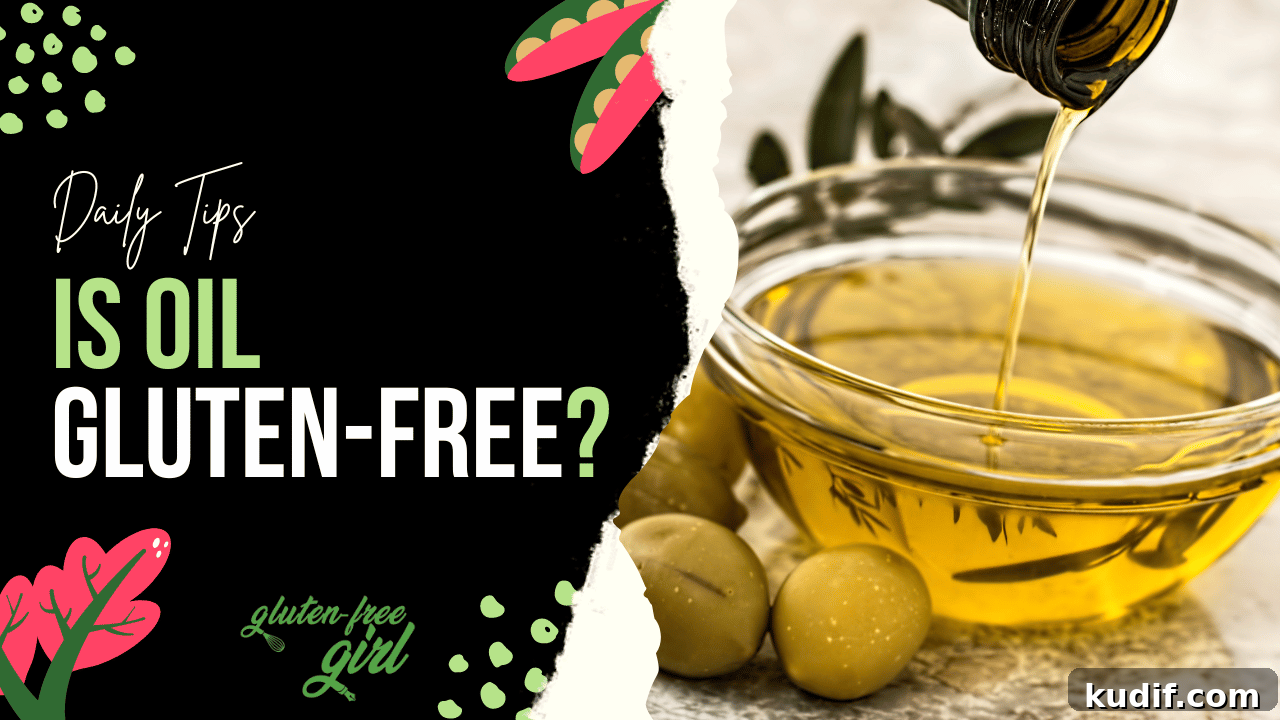
Yes, oil is naturally gluten-free. Oils extracted from plants, fruits, seeds, and nuts do not contain the gluten proteins found in wheat, barley, and rye. Gluten is a group of proteins that trigger harmful reactions in people with celiac disease or gluten sensitivity. Because oils are fats separated from the solid components of their source materials, they do not carry those grain proteins and are inherently gluten-free.
Oils come from many sources—olive, sunflower, canola, soybean, avocado, and nut oils among them—and none of these raw ingredients naturally contain gluten. The extraction process separates fats and lipids from proteins and starches, so the gluten-containing elements of grains are not present in the finished oil. That said, cross-contamination during processing or the addition of flavorings or additives can introduce gluten, so attention to labeling and manufacturing practices matters.
Nut-based oils, such as almond or walnut oil, are produced by pressing nuts to extract fat. Since nuts do not contain gluten proteins, pure nut oils are gluten-free. However, if processing equipment is shared with gluten-containing products, trace contamination can occur. Reputable manufacturers implement controls to prevent cross-contamination and label products appropriately.
Celiac disease is an autoimmune disorder triggered by gluten ingestion in genetically predisposed people. When someone with celiac eats gluten, their immune response damages the lining of the small intestine, impairing nutrient absorption and causing gastrointestinal and systemic issues. Maintaining a strict gluten-free diet is essential for preventing long-term complications of the disease.
Inflammation is the body’s response to injury or infection, but persistent inflammation contributes to conditions like heart disease, diabetes, and autoimmune disorders. For people with celiac disease or non-celiac gluten sensitivity, gluten can provoke inflammatory responses in the gut and elsewhere. Ensuring oils and other foods are gluten-free helps reduce the risk of inadvertent exposure and the inflammation that can follow.
Gluten-free oils support the dietary needs of people with celiac disease and those aiming to minimize inflammation. As noted by celiac disease researchers, the disease is an immune-mediated enteropathy triggered by gluten in susceptible individuals. Using only gluten-free oils helps protect the intestinal lining, prevent malabsorption, and reduce associated health risks.
Olive oil, a cornerstone of the Mediterranean diet, is naturally gluten-free. The diet’s emphasis on healthy fats like olive oil is associated with lower inflammation, better cardiovascular health, and overall well-being. Using gluten-free oils such as olive oil enables people to enjoy these benefits safely.
Can a Patient with Celiac have Oil on their Diet?
Yes. Oil from nuts, seeds, fruits, or vegetables does not contain the gluten proteins that provoke celiac disease, so pure oils are typically safe. Gluten is insoluble in lipids and is concentrated in the starchy parts of grains rather than in oils extracted from non-grain sources. Extraction methods such as pressing or crushing separate fats from gluten-containing solids, resulting in a gluten-free product.
Oils contribute healthy fats and essential fatty acids to a celiac-friendly diet, improving the texture and flavor of gluten-free meals. Because oils do not provide significant proteins, carbohydrates, or vitamins, they do not substitute for nutrient-dense foods but are useful for cooking and baking.
Celiac disease causes the immune system to attack the small intestine when gluten is present, damaging the villi—tiny structures that absorb nutrients. Damage leads to malabsorption and a range of symptoms and long-term risks such as anemia, osteoporosis, other autoimmune conditions, and nutrient deficiencies. Avoiding gluten in all foods and ingredients, including oils when at risk of contamination, is crucial.
What Recipes Can You Prepare with Gluten-Free Oil?
Gluten-free oil is versatile and appears in many recipes, including:
- Gluten-Free Stir-Fry: Use oil to sauté vegetables and proteins like chicken, shrimp, or tofu; combine with gluten-free sauces for a flavorful dish.
- Roasted Vegetables: Toss vegetables in oil before roasting to achieve tenderness and caramelization.
- Salad Dressings: Oil is the base for vinaigrettes and emulsified dressings, blending herbs, vinegar, and citrus.
- Gluten-Free Baking: Oils add moisture and tenderness to muffins, cakes, and brownies made with gluten-free flour blends.
- Grilled Meats and Fish: Brushing proteins with oil prevents sticking and enhances flavor.
- Gluten-Free Pasta: A splash of oil in boiling water or tossed into cooked pasta helps prevent sticking.
- Homemade Mayonnaise: Oil is the primary ingredient for creamy, gluten-free mayonnaise when combined with eggs and acid.
- Frying: Oil is used to achieve crispy coatings on gluten-free-breaded foods—ensure coatings are gluten-free.
- Sautéed Greens: Garlic and oil make quick, flavorful side dishes from spinach, kale, or chard.
- Gluten-Free Croutons: Coat gluten-free bread cubes with oil and bake for crunchy salad toppings.
Is Olive Oil Gluten Free?
Yes. Olive oil is pressed from olives and does not contain gluten. It is a safe cooking oil for people with celiac disease or gluten sensitivity, provided it is pure and has not been cross-contaminated or had gluten-containing flavorings added.
Is Soybean Oil Gluten Free?
Yes. Soybean oil comes from soybeans, which are legumes and do not contain gluten. Pure soybean oil is naturally gluten-free. Watch for flavored or processed versions that may contain gluten ingredients, and read labels when in doubt.
Is Canola Oil Gluten Free?
Yes. Canola oil is made from canola seeds and is naturally gluten-free. As with any oil, check labels and manufacturing information if you have concerns about cross-contamination.
Is Sunflower Oil Gluten Free?
Yes. Sunflower oil is derived from sunflower seeds and is naturally gluten-free. Consumers concerned about cross-contamination should verify product labeling and manufacturing practices.
Is Peanut Oil Gluten Free?
Yes. Pure peanut oil is gluten-free because peanuts are legumes. Be cautious with flavored or processed peanut oils and review labels to avoid added gluten-containing ingredients or cross-contamination.
Is Avocado Oil Gluten Free?
Yes. Avocado oil, extracted from avocados, is naturally gluten-free. Confirm that commercial products have no gluten-containing additives and that processing did not introduce contamination.
Is Vegetable Oil Gluten Free?
Yes. The term “vegetable oil” covers various plant-based oils—soybean, corn, sunflower, canola—that are naturally gluten-free when pure. Processed or flavored vegetable oils may include gluten-containing additives, so label checks are important.
What is the Best Oil for Baking Gluten-Free Recipes?
Canola oil is often recommended for gluten-free baking because it is neutral in flavor, provides moisture, and withstands baking temperatures. Its mild taste lets other ingredients shine and helps produce tender baked goods.
Is Oil Safe for Individuals with Gluten Allergies?
Pure oil is safe for people with gluten allergies or celiac disease, but cross-contamination is the main concern. Choose oils labeled gluten-free or produced in dedicated gluten-free facilities to minimize risk. Always read labels and, when necessary, contact manufacturers about processing practices.
Why Oil Does Not Contain Gluten?
Oil lacks gluten because gluten proteins are found in the starchy endosperm of certain grains, not in the fat portions of plants or animals used to make oils. Extraction separates lipids from proteins and solids, leaving gluten behind. The primary exception arises when cross-contamination or gluten-containing additives are introduced during processing.
How can Oil Contain Gluten?
- Cross-contamination: Shared equipment or facilities that process gluten-containing products can leave residues that contaminate oil.
- Additives: Flavored or processed oils may include gluten-containing ingredients as stabilizers or flavorings.
How to Maintain Gluten-Free Status in Recipes that contain Oil?
- Choose certified gluten-free oils when possible.
- Read labels for “gluten-free” claims or processing information.
- Use separate utensils and measuring tools to avoid cross-contamination.
- Clean work surfaces and equipment thoroughly before preparing gluten-free dishes.
- Verify that any flavored oils, sauces, or condiments are gluten-free.
- Store oils away from gluten-containing products to prevent accidental contamination.
Careful handling and vigilance—especially when frying or transferring bulk oils—help prevent cross-contamination and keep recipes safely gluten-free.
Do Pastries that Contain Oil Typically Have Gluten?
Pastries that include oil do not inherently contain gluten; gluten presence depends on the flour and other ingredients used. To make gluten-free pastries, substitute wheat flour with gluten-free flour blends (rice flour, almond flour, or commercial mixes) and ensure all other ingredients and equipment are free from gluten contamination.
Do Commercial Oil Products Mostly Contain Gluten?
Most commercial oils do not contain gluten. However, some may be processed on shared equipment or include flavorings that introduce gluten. People with celiac disease should look for clear gluten-free labeling or confirm manufacturing practices with producers when necessary.
Are Alcoholic Beverages with Oil Gluten-Free?
Distilled spirits (vodka, gin, rum) are typically considered gluten-free after distillation, but flavored spirits, mixers, and beers made from gluten-containing grains may contain gluten. Verify labels and use gluten-free mixers to ensure safety when consuming alcoholic beverages.
What Steps Can Prevent Gluten Contamination in Oils?
Preventive steps include using dedicated or thoroughly cleaned equipment, storing gluten-free oils separately, checking labels for gluten-free certification, and communicating with suppliers about cross-contamination controls. Inspect bulk containers carefully, screen all ingredients used with oils, and clean cooking surfaces and utensils before preparing gluten-free meals. These practices minimize the risk of accidental gluten exposure.
Are Gluten-Free Ingredients Common in Desserts Prepared Using Oil Products?
Yes. Many desserts made with oil can be gluten-free if they use gluten-free flours and certified ingredients. A wide range of high-quality gluten-free baking mixes and flour blends are available, enabling tasty cakes, cookies, brownies, and other treats without gluten. Always read labels and follow safe preparation practices to avoid cross-contamination.
Do Baked Goods with Oil Often Include Gluten?
No. Baked goods that contain oil do not automatically include gluten. Their gluten status depends on the flour and other ingredients used. Using certified gluten-free flours and verifying all components ensures baked goods remain safe for people with celiac disease.
Is Gluten a Common Ingredient in Cake?
Traditional cakes are commonly made with wheat flour and therefore contain gluten. Gluten-free cake recipes and mixes are widely available; selecting gluten-free ingredients and checking for certification prevents gluten exposure for sensitive individuals.
Are All Oil Products Gluten-Free?
Pure oils from nuts, seeds, fruits, or vegetables are naturally gluten-free. To ensure safety, choose unadulterated oils, verify labels for gluten-free claims, and be cautious with flavored or processed oils that may contain additives or be handled on shared equipment. With proper selection and handling, oils are a safe and versatile component of a gluten-free diet.