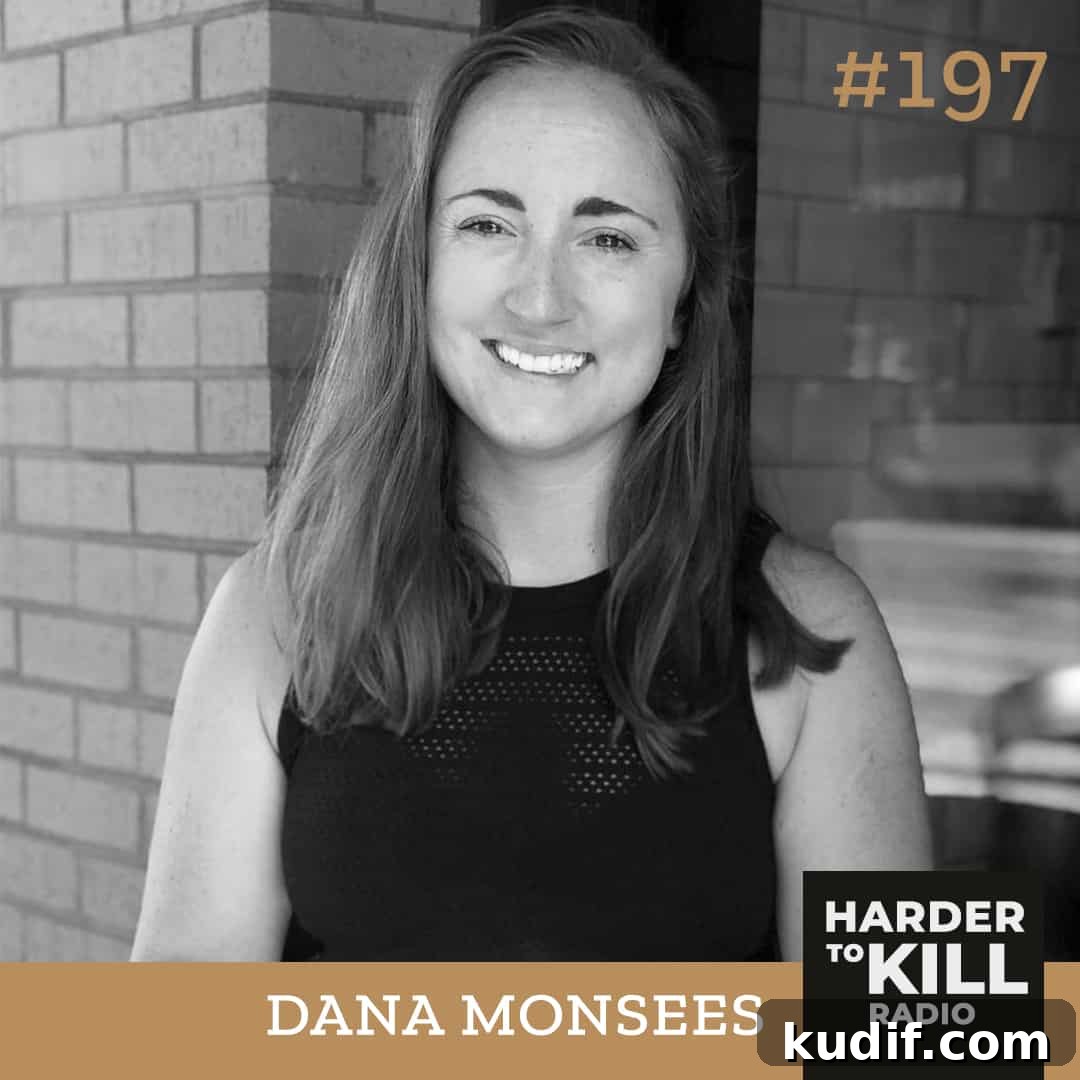
Our society is highly skilled at creating stigmas that make people feel inadequate. Diet culture and restrictive attitudes toward food disrupt our bodies’ natural rhythms. Dana Monsees is dedicated to helping people correct that imbalance.
An entrepreneur, nutritionist, and founder of Real Food with Dana, Dana helps people understand that smaller is not always better and that sustainable nutrition and self-care matter more than chasing an idealized size.
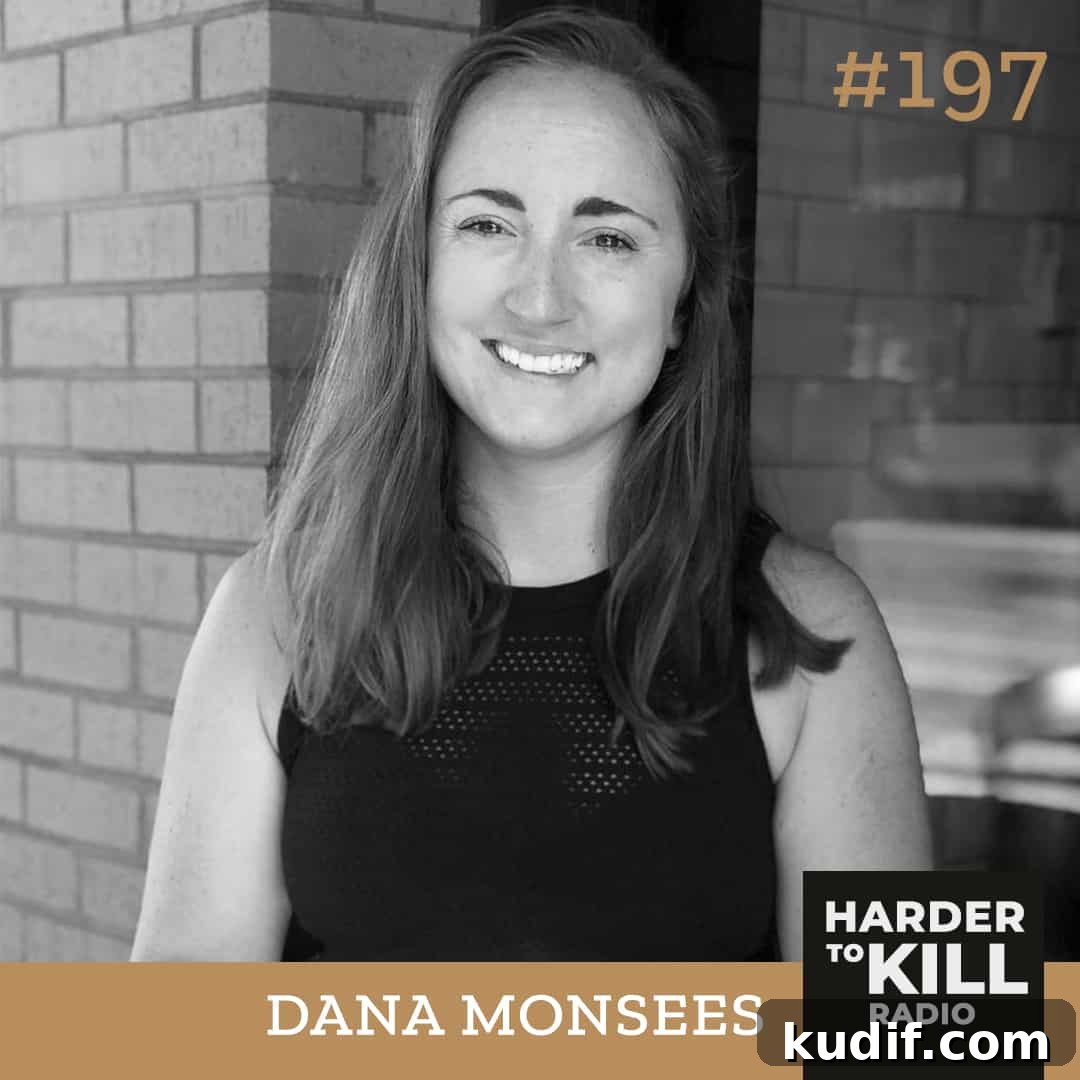
Click play to listen right on this page, no app needed:
Or, listen on your favorite app: iTunes (Apple Podcasts) | Spotify | Stitcher | Overcast | CastBox | TuneIn | Google Play | I Heart Radio
How To Break Up With Diets & Regain Your Power
This episode focuses on healing your relationship with food, finding an individualized nutritional path, and rejecting society’s narrow judgments about body size. Dana creates space to examine how you approach food, explains why restrictive diets often backfire, and offers practical tools to motivate sustainable change.
By understanding diet culture and its subconscious pressures, Dana says we can free ourselves from limiting beliefs and find a healthier balance. When you locate the middle ground between crash dieting and chronic guilt, you can move toward genuine body acceptance.
Dana encourages people to ditch the dieting cycle, dismantle anxious patterns with food and exercise, and remove triggers so they can learn to trust their bodies. With an abundance mindset—focusing on what you can add, not simply what you must remove—you rely less on rigid control and more on enjoyment and well-being.
Dana brings evidence-based nutrition knowledge and real-world experience to help clients make sustainable lifestyle changes and improve their relationship with food and body image. It’s time to stop hating your body and start embracing your inner strengths.
How do you relate to Dana’s story of disordered eating and recovery? Share your thoughts in the comments below.
On Today’s Episode
- How cultural norms shape body image and behavior
- Recognizing and escaping a shame spiral without self-destruction
- Where nutrition information overload comes from and how to reduce it
- Practical ways to ease self-imposed restrictions across life domains
- Navigating Olympic weightlifting and weight classes without becoming body-obsessed
Resources Mentioned In This Show
- Break the Diet Cycle Course – sign up for future launches
- Real Food with Dana website
- Real Talk with Dana podcast
- Follow Real Food with Dana on social channels: Facebook | Instagram | Pinterest
- Women’s Ideal Body Types Throughout Time – referenced article
Quotes
“Food and sustainable lifestyle changes can make a big difference in people’s health without doing any therapy-type nutrition or medical intervention.” (11:24)
“A lot of the clinical manifestations that I see in my practice are because people are overstressed, overworked, under-eating and over-exercising because they don’t feel worthy enough in their bodies to take up space.” (15:37)
“List the millions of diets out there that have all worked for someone, and that still doesn’t necessarily mean it is going to work for you.” (45:24)
“It is because I have finally come to a place where I care about nourishing my body instead of trying to make myself take up less space.” (1:04:37)
Thanks for Listening!
- I’d love it if you would take a moment to subscribe to the podcast.
- Did this episode resonate? Tell us what stood out for you in the comments.
Break Up With Diets and Regain Your Power – Full Transcript
Steph Gaudreau
This is Harder to Kill Radio, a weekly podcast exploring how to build resilient humans through fitness, nutrition, and mindset. I’m your host, Steph Gaudreau. My mission is to help women build stronger bodies and resilient minds so they can own their power. I envision a future where girls grow into strong women who appreciate their bodies, know their worth, take up space, and live fully without impossible societal standards.
This podcast examines those issues. You may not always agree with every viewpoint here, but the goal is to make you think. If an episode or guest resonates with you, please leave a review on Apple Podcasts and subscribe to the show. Also check out my companion show, Fierce Love Friday.
Welcome to episode 193. I appreciate you tuning in—whether you’re multitasking, walking, driving, or at the gym. Nearly 200 episodes is a milestone; send ideas if you have thoughts for episode 200.
Creating Space for Nutrition
Today I welcome Dana Monsees from Real Food with Dana. Dana brings strong perspectives on food, nutrition, perfectionism, and how to build a healthy relationship with eating. I hope her voice helps you think about your own approach and move forward in a positive direction.
Please check out preorder bonuses for my upcoming book, The Core Four, coming this summer. Preordering helps spread the message and supports free content production. Visit corefourthebook.com for details and bonuses.
Strength Training and Nutrition for Women
Let’s dive into the interview with Dana Monsees. Dana brings humor, directness, and lived experience that many listeners will find relatable.
Dana Monsees
Thanks for having me. I bring a bit of sarcasm from my East Coast roots—both my parents are from New Jersey, and I picked up that attitude.
Transitioning from Politics to Nutrition
Steph Gaudreau
Why the shift from political consulting to working on body image, food freedom, and nutrition?
Dana Monsees
My undergraduate degree was in politics and French, and I planned a path into political work. During college I developed an interest in nutrition due to an eating disorder and unexplained health problems. Later diagnosed with celiac disease, I began to see how food affected my energy and athletic performance. That curiosity led me to study integrative nutrition while working in consulting, and eventually I shifted careers after realizing I could help people heal through food and lifestyle changes.
Finding Passion in Nutrition
While working in politics and corporate consulting, Dana studied nutrition and started helping clients. Seeing real change convinced her to pursue a master’s in nutrition, complete clinical hours, and become a licensed nutritionist. She observed that many clients were trapped in diet culture—overstressed, under-eating, and over-exercising because they didn’t feel worthy of taking up space.
Diet Culture is Planted Early in Life
Steph Gaudreau
How would you define diet culture and its effects?
Dana Monsees
Diet culture is the set of beliefs and messages—delivered through media, medical language, social interactions, and advertising—that equate smaller bodies with greater worth. It’s pervasive, profitable, and shapes how people view themselves. Social media amplifies comparisons and encourages hopping from one diet trend to another, which fuels confusion, restriction, and shame.
Evolution of Diet Culture
Standards of beauty have shifted over time from extreme thinness to “lean” or “strong,” but the underlying moralizing about food and appearance remains. Diet culture promotes a false dichotomy: either strict control and perceived virtue or total lack of control and moral failure. Dana emphasizes that a middle ground exists where one can care for health without rigid dieting.
Restrictions of Dieting
Dana recommends practical actions like social media detoxes and removing influences that trigger comparison. She notes that complimenting weight loss can be harmful because you don’t know the context: it could be illness or an eating disorder. The goal is to reduce external signals so people can reconnect with internal cues.
When Should I Experiment with My Diet?
Steph Gaudreau
Is experimenting with diets ever okay?
Dana Monsees
Experimentation is valid, but motivation matters. Try approaches to see what suits your current life stage or goals, and give changes enough time to test. Beware of switching constantly because that reinforces confusion and can lead to the belief that nothing works.
Intuitive Eating to Reduce Fear Around Food
Dana explains intuitive eating as learning that food is not a limited resource. When you allow access to feared foods without moral judgment, their pull diminishes. Focus on markers like energy, sleep, digestion, and performance instead of just weight.
Diet Culture and Eating Disorders
There’s a gap between diet culture’s prescriptive rules and therapist-led recovery approaches. Recovery guidance to challenge “fear foods” should be balanced with clinical nutrition principles so people don’t swing from rules to unhealthy habits. The aim is a sustainable middle ground.
Body Size Doesn’t Determine Health
Dana stresses that BMI and weight alone are poor indicators of health. People in larger bodies can have positive health markers, and people in smaller bodies can be malnourished. Clinical assessment must go beyond a single metric.
Energy Balance
Simple advice like “eat less, move more” can be misleading because many people are already undereating and overexercising. The solution is nuanced and individualized.
Ditch the Diet Cycle
Dana outlines the shame spiral: strict rules during the week, a breakdown on the weekend, and intensified restriction afterward. Guilt becomes internalized shame, which drives repeated dieting cycles. Breaking this requires recognizing triggers, reducing nutritional noise, and addressing control issues underlying disordered behaviors.
Identify Nutrition Information Overload
Start by limiting conflicting nutrition sources and removing toxic conversations or influencers. Fewer outside messages make it possible to hear your body’s signals and rebuild trust in hunger and satiety cues.
We’ve Been Taught Not to Trust Our Bodies
Babies naturally eat and stop based on hunger; over time we learn to mistrust these signals. Turning off external “shoulds” and slowly removing rules helps restore internal listening.
More Information is Not Always Better
Dana and Steph both advise reducing consumption of endless advice. Bingeing on content can fuel restriction rather than clarity. Instead, focus on measured experimentation driven by personal goals and health markers.
Focus on an Abundance Mindset
Rather than enforcing rigid rules after a vacation or life event, begin by adding nourishing habits: more vegetables, hydration, better sleep, and building gradually. Crowding in healthy choices reduces fixation on forbidden foods and softens the shame cycle.
Body Acceptance
Dana prefers “body acceptance” or neutrality over forced positivity. Working toward neutrality—treating your body with respect and reducing emotional charge—feels more achievable and sustainable for many people.
Weight Class Competition Challenges
Competing in weight-class sports like Olympic lifting can be challenging for people with a history of disordered eating. Dana delayed competing for years because of fears about weighing in and cutting weight. When she did compete, she focused on performance and competing without drastic weight cuts. Lifting helped her prioritize nourishment to improve strength rather than minimize body size.
Compete as You Are
If competing triggers unhealthy behaviors, consider either avoiding weight classes or competing without cutting weight. Performance improves when the body is well-nourished, and many athletes benefit from focusing on strength and recovery instead of chasing weight targets.
Connecting with Dana
Steph Gaudreau
Where can listeners find you, Dana?
Dana Monsees
Find me at realfoodwithdana.com, on Instagram as Real Food with Dana, and on my podcast Real Talk with Dana. I also run an eight-week online course called Break the Diet Cycle with a colleague, Christina Hoyt, focused on healing relationships with food. For inquiries email [email protected].
Female Athlete Nutritional Needs
Steph Gaudreau
Thanks, Dana. Your perspective will help many listeners rethink their approach and consider alternatives to chronic dieting.
That wraps episode 193 with Dana Monsees. I hope you take away practical ideas to rethink nutrition, reduce shame, and pursue sustainable habits. For show notes and links to Dana’s work, visit StephGaudreau.com. If you enjoyed the episode, consider preordering The Core Four for bonuses and further resources.
Until Friday’s Fierce Love Friday, stay healthy, be kind to yourself, and keep getting harder to kill.