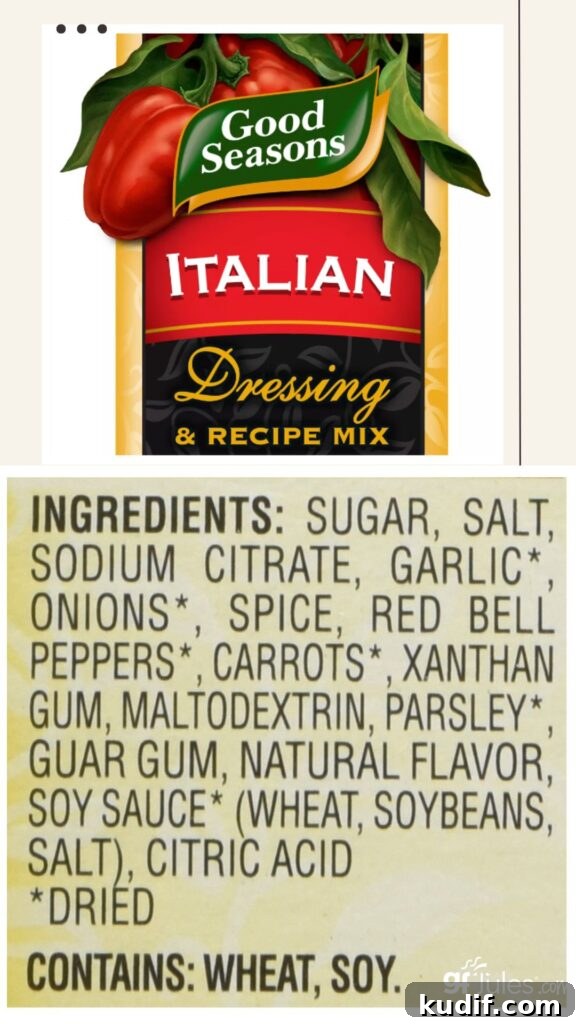
In 2011 a reader pointed out that Kraft Foods changed the recipe for Good Seasons Italian Dressing by adding wheat, removing its gluten-free status. Unfortunately, ingredient changes like this still occur and serve as an important reminder: always read ingredient labels, even on products you buy regularly.
Manufacturers frequently adjust formulations. When a company makes both gluten-containing and gluten-free versions of products, gluten-free consumers are often not the primary focus when ingredient choices are made. That can lead to unexpected gluten appearing in familiar items.
In the Good Seasons example, powdered soy sauce was added to the ingredient list. Soy sauce typically contains wheat, which is why this version of the dressing is no longer gluten free.
If you prefer powdered dressing mixes, look for clearly labeled gluten-free options. Some brands make it easy to identify safe varieties, and others maintain lists of gluten-free products based on internal allergen controls, sanitation procedures and scheduling practices designed to reduce cross-contamination risks.
Are Spices Gluten Free?
Pure spices themselves are naturally gluten free. The caveat is that some packaged spices include anti-caking agents, carriers, or other additives that may contain gluten, so reading labels is essential.
Certain spice companies are better than others at labeling gluten-free products. Independent third-party certification, such as Gluten Free Certification Organization (GFCO) approval, provides extra assurance; certified products must test below 10 ppm gluten. When available, choose certified brands.
Some large manufacturers have improved allergen transparency in recent years. They publish ingredient and allergen information for individual products and state that they will declare common allergens on their labels rather than hiding them under generic terms like “spices” or “natural flavors.” Typical declared items include wheat, milk, peanuts, tree nuts, egg, soy, shellfish, sesame (for applicable products), fish, certain dyes, MSG, sulfites above a threshold, and gluten-containing grains such as barley, rye, oats, spelt and others. If a product has no ingredient statement, the product name should reflect the contents (for example, “black pepper”).
Are Seasoning Blends Gluten Free?
Seasoning blends are more complex because they combine spices with carriers, anti-caking agents, sugar, salt, dairy-derived ingredients, starches or flours. Any of these additions can introduce gluten, so blends require particularly careful label review.
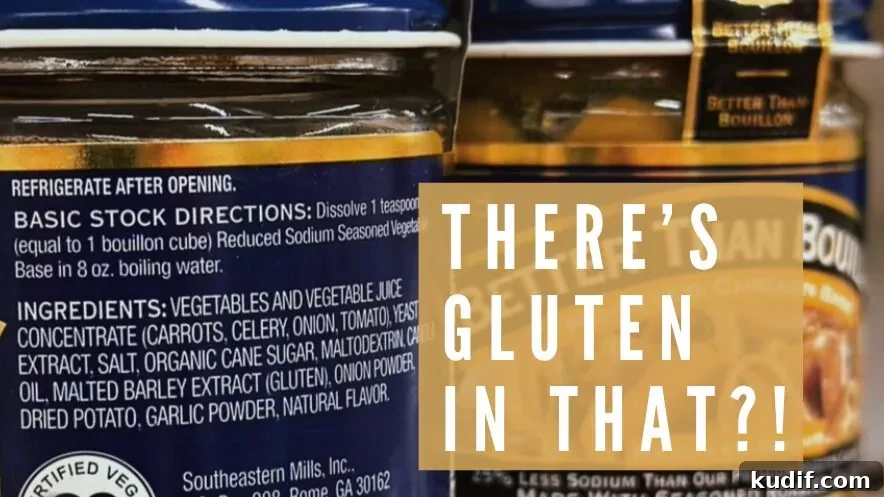
Wheat must be declared as an allergen on labels, but barley-derived ingredients such as malt are not part of the top allergen list and can be harder to spot because they need not be emphasized. Even soup bases, bouillons and stock powders can contain gluten, so inspect those labels closely as well.
Labeling errors and misunderstandings by manufacturers add risk. For example, a company once sold a dry hot sauce containing “flour” without recognizing that flour implies wheat; an FDA recall followed. Cases like that highlight the need for consumers to verify ingredient information rather than relying entirely on product claims.
Another example involves soy sauce and fermented products. Some brands have labeled fermented soy sauces or soy-based products as gluten free, arguing that fermentation removes gluten. That claim is incorrect under current understanding and regulations: soy sauce containing wheat is not automatically gluten free simply because it has been fermented. Consumers should treat soy sauce as a potential source of wheat unless a product is clearly and verifiably gluten-free.
Similarly, some products labeled gluten free have still contained soy sauce powder or other wheat-containing ingredients. This reinforces the point that a “gluten-free” label alone is not always sufficient; careful reading of the full ingredient statement is necessary.
What can you do? Prioritize products with transparent labeling or recognized third-party gluten-free certification. Read ingredient lists every time you shop because recipes change. If a brand provides an allergen statement or product-by-product ingredient listings, use those resources to confirm safety.
Which brands have you found reliable for clear labeling of seasonings, spices, dressings and soups? Which brands have disappointed you? Share your experiences so others can make safer choices when avoiding gluten.