On this particular day we didn’t receive a formal lesson; instead we were handed a recipe and told to begin. The pace was immediate and independent, which made the experience both challenging and energizing. Rather than following step-by-step instruction, we had to rely on our instincts, prior knowledge, and teamwork to bring the recipe to life.
Making Rudolph van Veen’s Oscar Cake
The recipe we worked from was Rudolph van Veen’s Oscar cake. Rudolph van Veen is a respected Master Pastry Chef from the Netherlands, and the cake he designed has a notable backstory: it was served as a dessert at the Oscars (the Academy Awards) in 2005, which is how this creation earned its popular name. The cake itself is a rich chocolate creation, crafted to be elegant in presentation and indulgent in flavor. Rudolph’s original version even included a small Oscar statue molded from chocolate as a finishing touch.
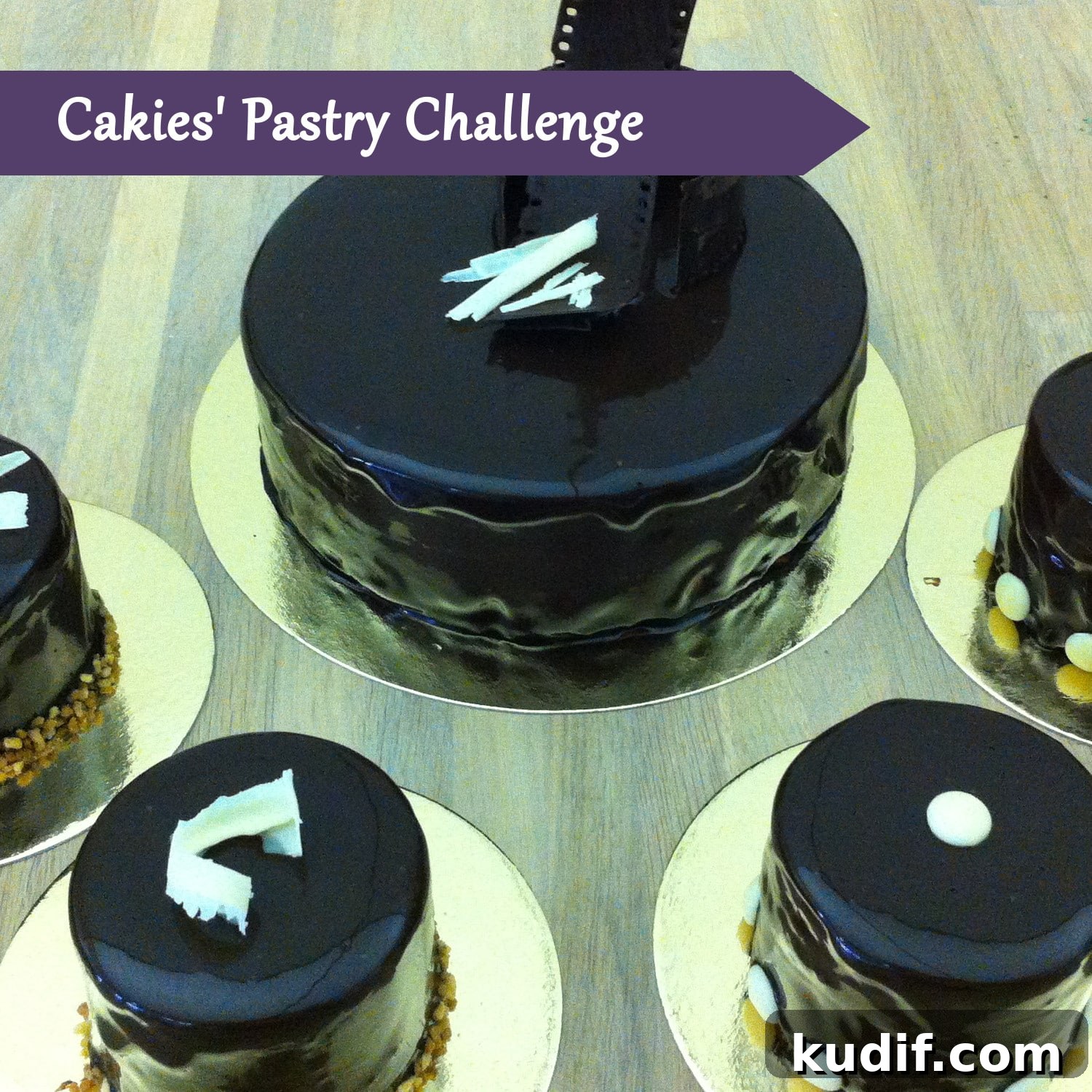
For our session, making exact replicas of the chocolate statuettes wasn’t feasible, so we adapted the decoration while keeping the cinematic theme. Instead of chocolate figures, we rolled thin sheets of chocolate into decorative film strips to echo the movie motif. It was a practical solution that preserved the spirit of the original design while staying within our time and resource limitations.
The Hands-On Experience
Because there was no formal teaching, the day demanded hands-on problem solving. We read the recipe, interpreted techniques, and coordinated tasks among ourselves. Tasks ranged from preparing the batter and baking the layers, to assembling and finishing with glaze, ganache, or other chocolate elements. Communication and attention to detail were essential; small adjustments in timing or temperature can change the texture and final taste of a chocolate cake.
The freedom to experiment brought its own rewards. Team members suggested tweaks to improve texture and balance, and we discussed how to achieve a smooth finish and clean decorative elements. Working without step-by-step commentary encouraged us to think like pastry chefs: anticipate problems, taste frequently, and refine technique through practice.
Final Presentation and Taste
When the cakes were assembled and decorated, the results were visually appealing. We produced one large Oscar cake and four individual mini cakes, each finished with the chocolate film rolls that reinforced the cinematic concept. The glossy sheen on the chocolate and the tidy decorative strips gave the cakes a professional look, even under the constraints of a fast-paced, self-directed session.
Taste-wise, the cake delivered on the promise of a classic chocolate dessert. The chocolate layers were rich and moist, and the frosting or glaze complemented the cake without overpowering it. Several people remarked on the balance between cocoa intensity and sweetness, and the texture of the crumb received positive comments. For many of us, the most satisfying part was enjoying a slice together and recognizing how our collective effort translated into a delightful dessert.
What We Took Away
The day was memorable not only for the cake itself but for the learning that happened through doing. We practiced reading and executing a professional recipe, adapted decoration ideas to suit our constraints, and refined collaborative kitchen skills. The exercise reinforced that pastry work often requires both technical precision and creative problem solving.
Overall, making Rudolph van Veen’s Oscar cake was a fun, instructive, and delicious experience. The cakes looked appealing, tasted amazing, and left us with useful lessons in pastry technique and teamwork.