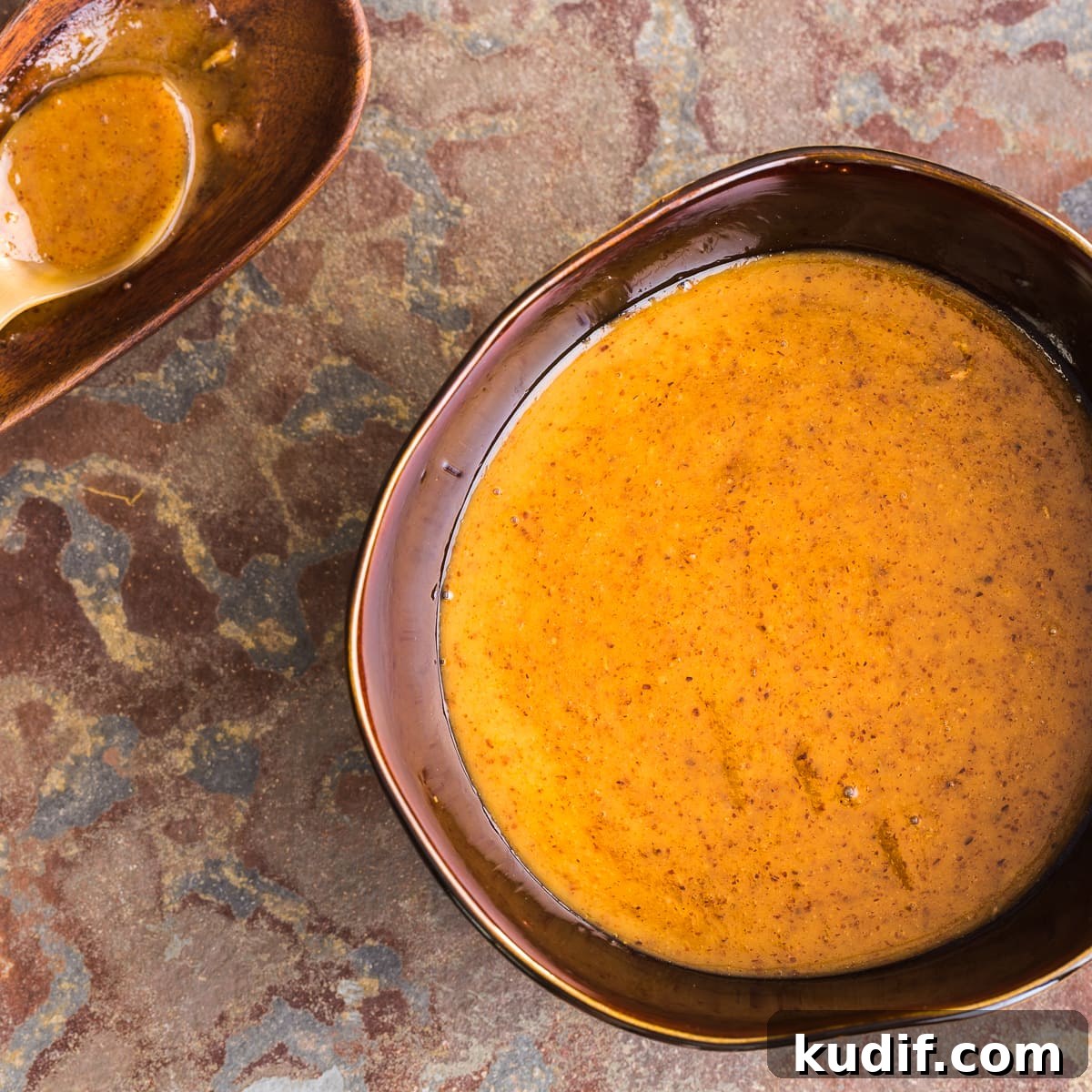
Sauces are the secret weapon in any cook’s kitchen, and this Asian dipping sauce is a standout. Made with creamy almond butter, tamari (a gluten-free soy sauce), rice vinegar, sesame oil, fresh ginger, garlic, and a touch of honey, it’s a no-cook sauce that delivers bold, savory flavor with a balanced sweetness. Use it as a dip, drizzle, or dressing to elevate spring rolls, noodle bowls, grilled chicken, grain bowls, roasted vegetables, and more.
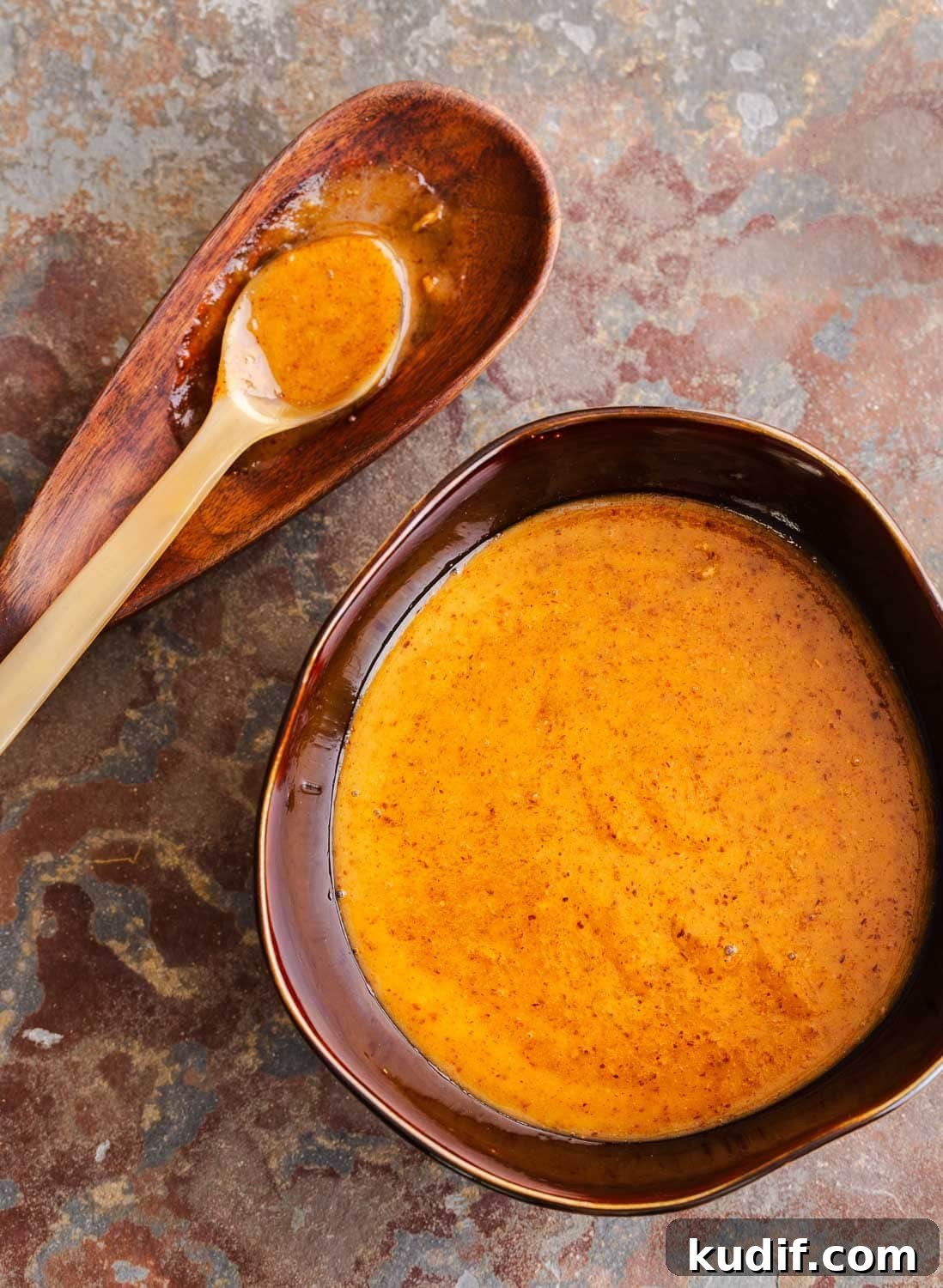
This almond butter–based sauce is thick and creamy straight from the bowl. If you prefer a thinner consistency for drizzling or tosses, add a little warm water and stir until smooth. It comes together in minutes and keeps well for easy meal prep.
Why You’ll Love Asian Dipping Sauce
- No cooking required — whisk or blend, ready in minutes.
- Versatile — perfect for spring rolls, noodle salads, grilled meats, and roasted veggies.
- Wholesome ingredients — made with almond butter, tamari, rice vinegar, sesame oil, ginger, garlic, and honey.
- Gluten- and dairy-free options — use tamari for gluten-free and no dairy is needed.
- Make-ahead friendly — stores in the fridge for several days.
What You’ll Need
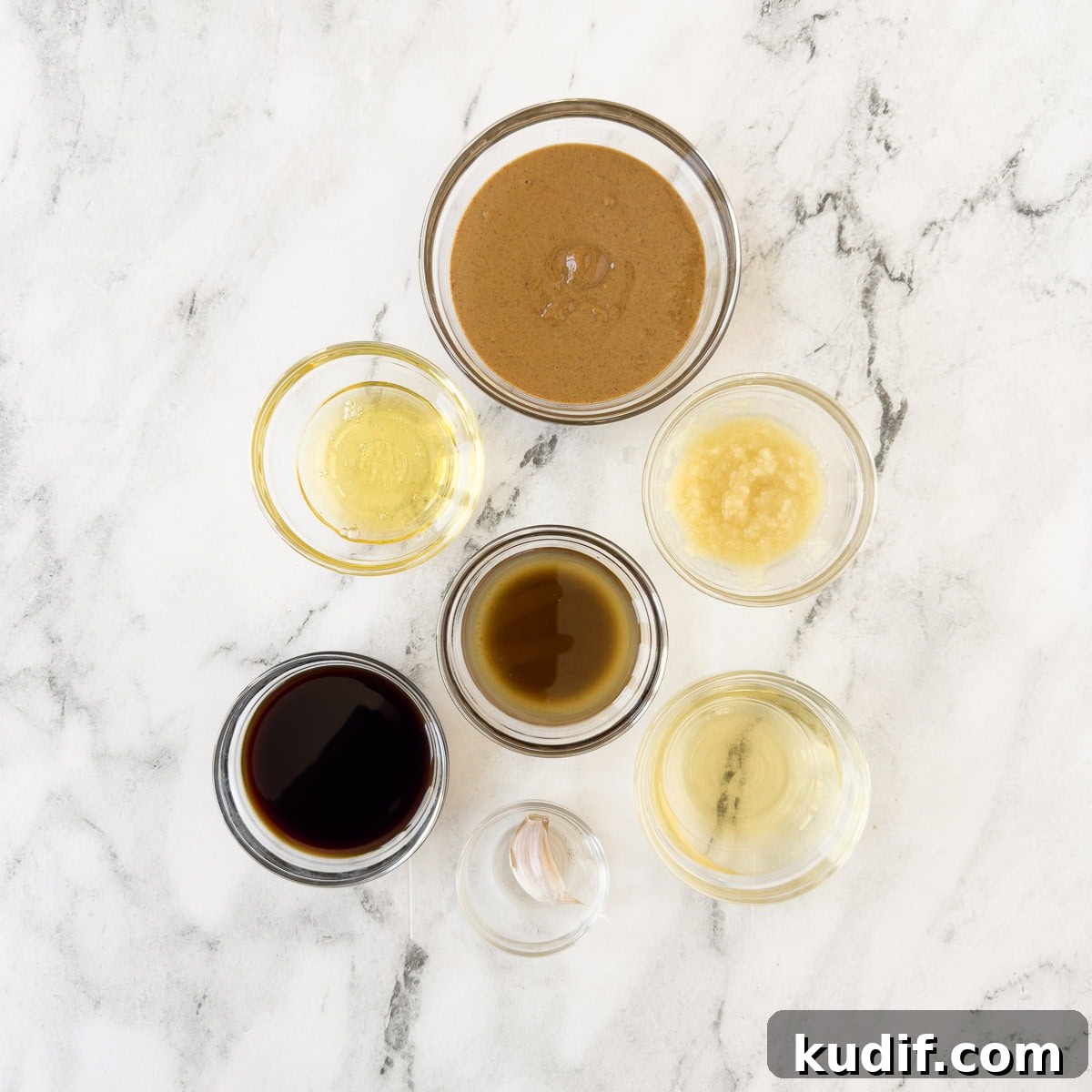
- Nut butter — natural almond butter with no added sugar or preservatives. If the oil has separated, stir or blend until smooth.
- Rice vinegar — unseasoned rice vinegar brightens the sauce without overpowering.
- Oil — toasted sesame oil for classic flavor, or a neutral oil such as avocado oil. Melted coconut oil can be used but may firm up when chilled.
- Soy sauce — low-sodium tamari for gluten-free, or regular low-sodium soy sauce. For soy-free, try coconut aminos.
- Sweetener — honey balances savory notes. Swap maple syrup or agave if preferred.
- Ginger — freshly grated or jarred ginger puree for warmth and zing.
- Garlic — minced fresh garlic or a pinch of garlic powder.
Chef’s Tip: Pick the soy sauce alternative that suits your diet. Tamari is widely available and gluten-free; coconut aminos are soy-free but a bit sweeter. Use low-sodium versions when possible to control salt.
Substitutions and Variations
- Nut butter swap: cashew butter or tahini (for a sesame-forward, nut-free option). Peanut butter works but changes the flavor profile.
- Vinegar: apple cider vinegar or white wine vinegar can substitute for rice vinegar.
- Sweetener: maple syrup or agave if you prefer; avoid sugar alcohols that can crystallize.
- Citrus: a splash of lime juice brightens the sauce.
- Texture tip: thin with warm water or additional vinegar for drizzling; add more nut butter to thicken.
Chef’s Tip: Fixing separated almond butter
If your almond butter has oil on top and solids below, spoon the entire jar into a food processor and blend until smooth. This restores texture and makes it easier to measure for recipes.
How to Make Asian Dipping Sauce
So simple: place all ingredients in a small bowl and whisk or blend until smooth. Adjust ginger, garlic, and sweetness to taste. Add warm water a teaspoon at a time to reach the desired consistency.
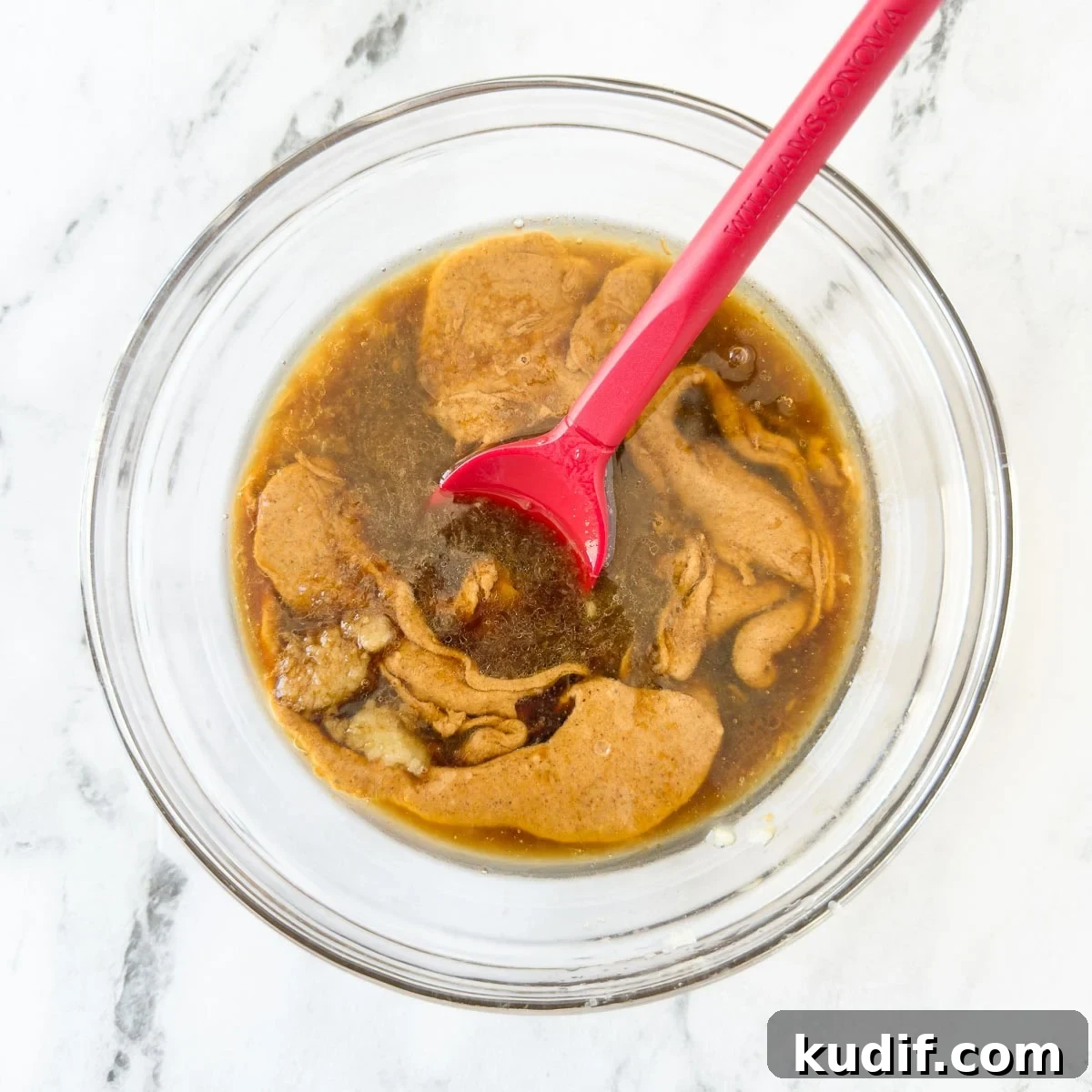
- Add all ingredients to a medium bowl.
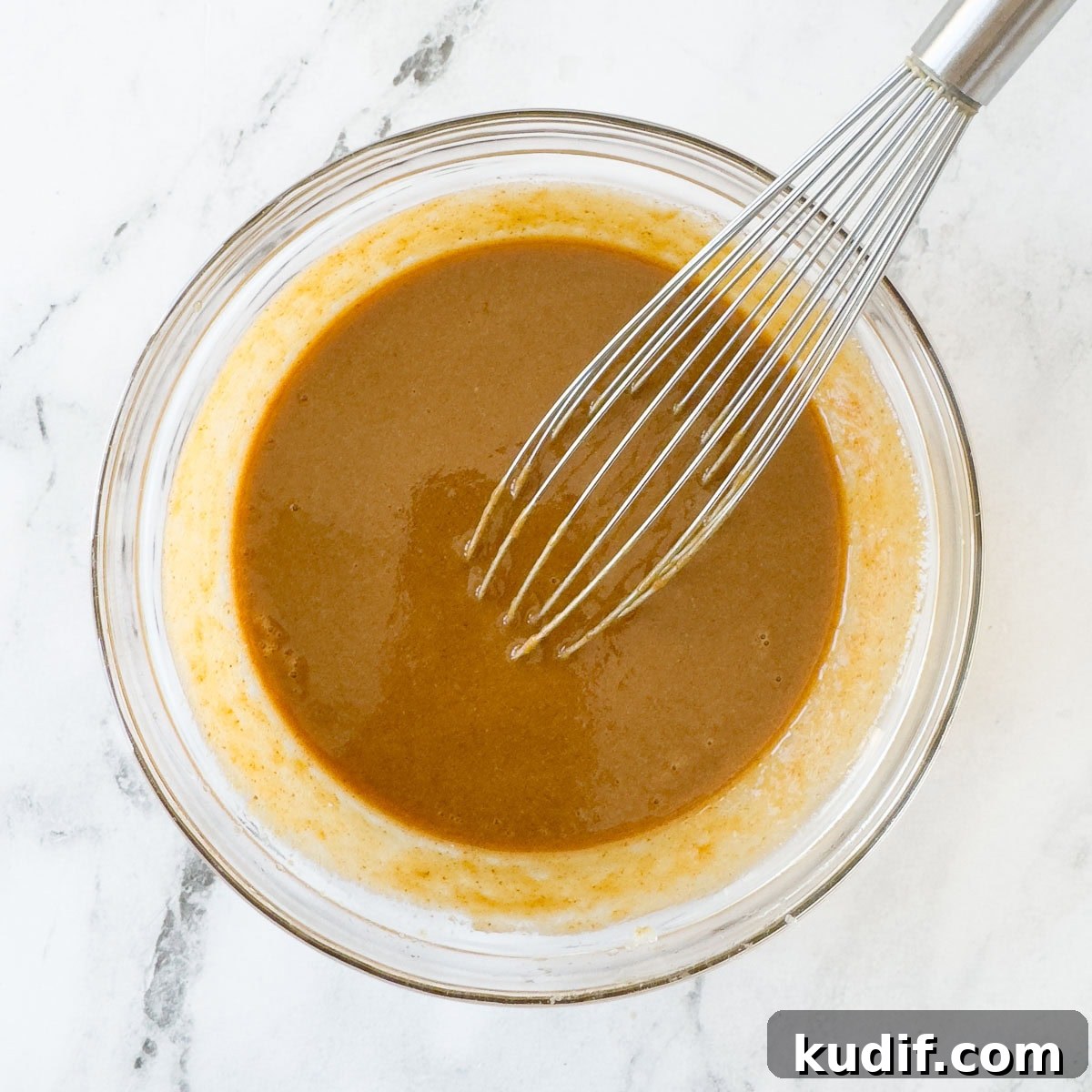
- Whisk or blend until smooth and creamy. Taste and adjust seasoning, ginger, or garlic as needed.
Chef’s Tip: This sauce is intentionally adaptable. For thicker, add more almond butter; for thinner, increase the vinegar, oil, or a splash of warm water. Taste and tweak to your preference.
Serving Suggestions
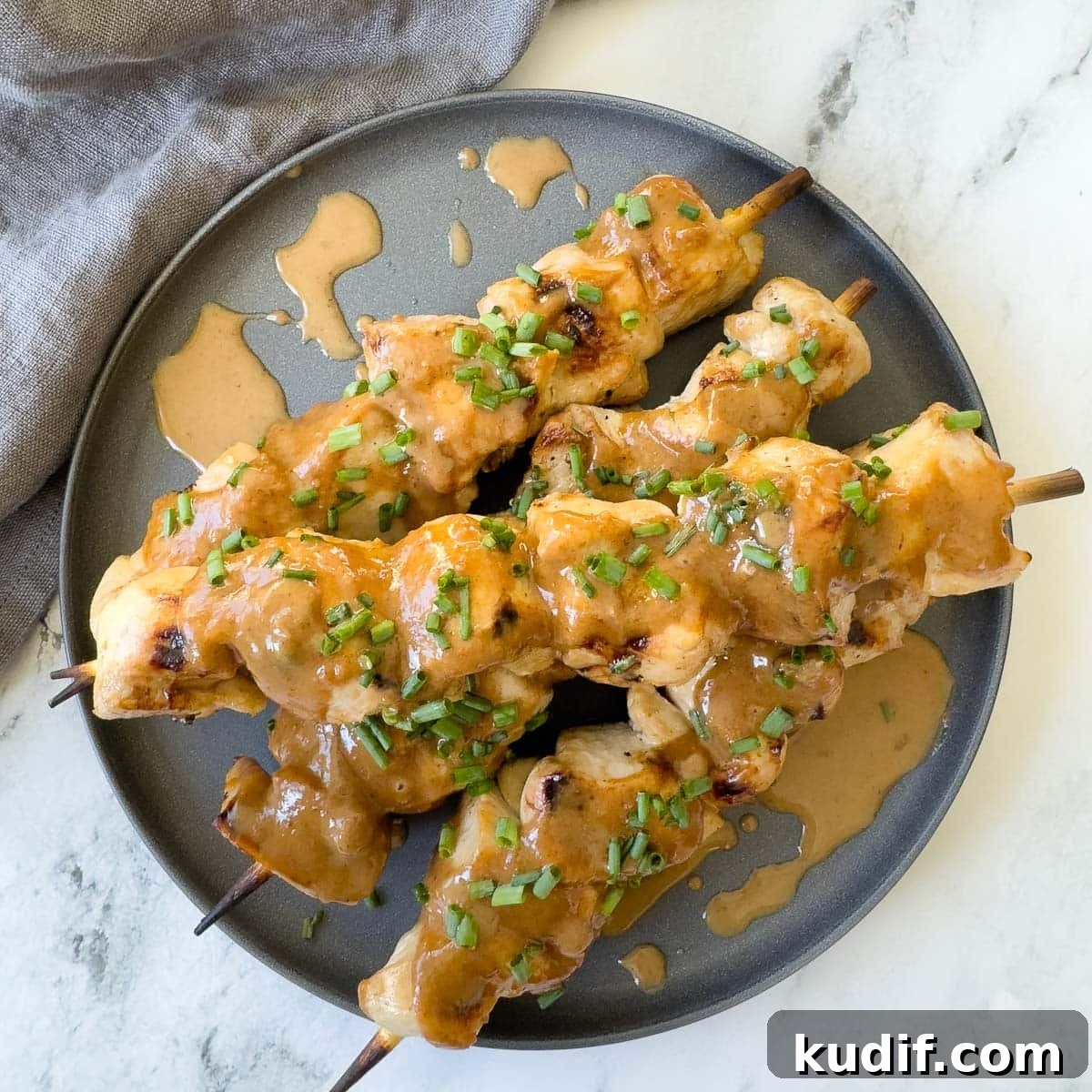
Ways to enjoy this Asian dipping sauce:
- Grilled proteins — spoon over grilled chicken, pork, or shrimp kabobs.
- Noodle salad — thin the sauce and toss with cooked, chilled rice noodles and raw vegetables.
- Seared fish — drizzle over seared ahi or salmon for a bold finish.
- Burgers & sandwiches — use as a spread for an Asian-inspired twist.
- Salad dressing — combine with a little extra vinegar or water to dress cabbage or mixed salads.
- Veggie dip — serve with raw vegetable platters or spring rolls.
Leftovers and Storage
Store the sauce in a sealed container in the refrigerator for up to one week. If it firms when chilled, let it sit at room temperature briefly and stir to restore a pourable texture. Thin with a splash of warm water if needed.
Recipe FAQs
Yes — cashew butter works well and produces a slightly milder, creamier flavor.
Use tahini (sesame seed paste) as a nut-free alternative.
Substitute coconut aminos or a soy-free tamari to keep the sauce soy-free.
Yes — it’s ideal for meal prep. Keep in a sealed jar and give it a good stir before serving.
📖 Recipe
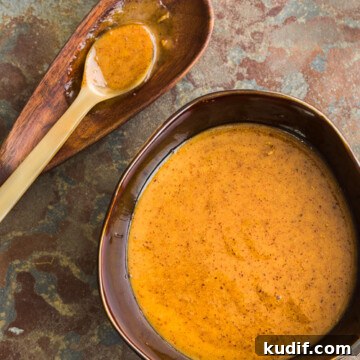
Asian Dipping Sauce
Yield: about 1 cup (3 servings). Prep time: 5 minutes.
Almond butter creates a rich, Asian-inspired sauce that works thick on proteins or thinned for noodles and salads. Store in the refrigerator for up to a week; warm slightly and stir before using. This recipe doubles easily.
Ingredients
- 1/2 cup natural almond butter (or cashew butter)
- 3 tablespoons unseasoned rice vinegar
- 3 tablespoons neutral oil or sesame oil
- 3 tablespoons low-sodium tamari or soy sauce (or coconut aminos)
- 1 1/2 tablespoons honey (or maple syrup)
- 1 1/2 tablespoons pureed or finely grated fresh ginger
- 1 large clove garlic, finely grated or minced
Instructions
- Combine all ingredients in a small bowl.
- Whisk or blend until smooth and creamy. Add warm water a teaspoon at a time to thin, if desired. Taste and adjust ginger, garlic, or sweetness.
Notes
Thickness: This sauce is meant to be slightly pourable. To thicken, add more almond butter. To thin, add vinegar, oil, or warm water. Use as a dip, drizzle, dressing, or spread.
Nutrition (approx.)
Serving: 2 tablespoons — Calories: 177 kcal | Carbohydrates: 7 g | Protein: 4 g | Fat: 16 g | Sodium: 202 mg
Tried this recipe? Leave a comment and a star rating to let others know how it turned out.